
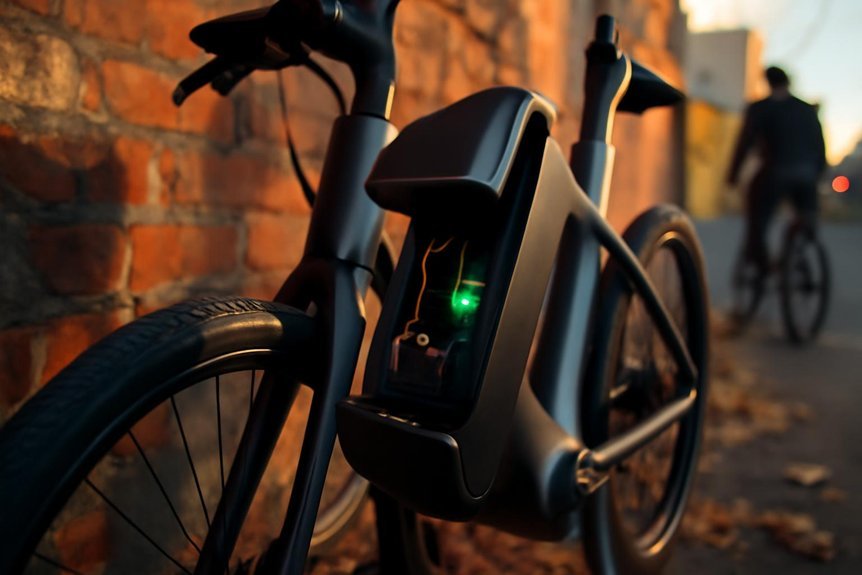
Why Is My E-Bike Battery Draining Fast?
Have you ever been out on your e-bike, feeling the wind in your hair, only to suddenly notice that your battery is draining way faster than you’d like? It’s a real buzzkill, isn’t it? Picture this: you’re riding along a scenic route, the sun is shining, and you’re eager to enjoy the journey. But just as you start to settle into the rhythm of your ride, that dreaded low battery warning pops up on your display. Frustrating, right?
There are a few sneaky culprits behind that rapid drain. It could be the way you’re riding—maybe you’re tackling steep hills like a pro, but those inclines can really take a toll on battery life. Or perhaps you’ve encountered rough terrain that demands more power than a smooth bike path would. And let’s not forget about the weather! A chilly breeze can sap energy faster than you think, as your battery has to work harder to keep you moving.
If you’ve found yourself wondering what’s really causing this issue and how to extend your ride, you’re in the right place. Let’s dive into the details and uncover some practical tips to keep your e-bike battery going strong so you can enjoy every moment of your adventure!
Understanding E-Bike Batteries
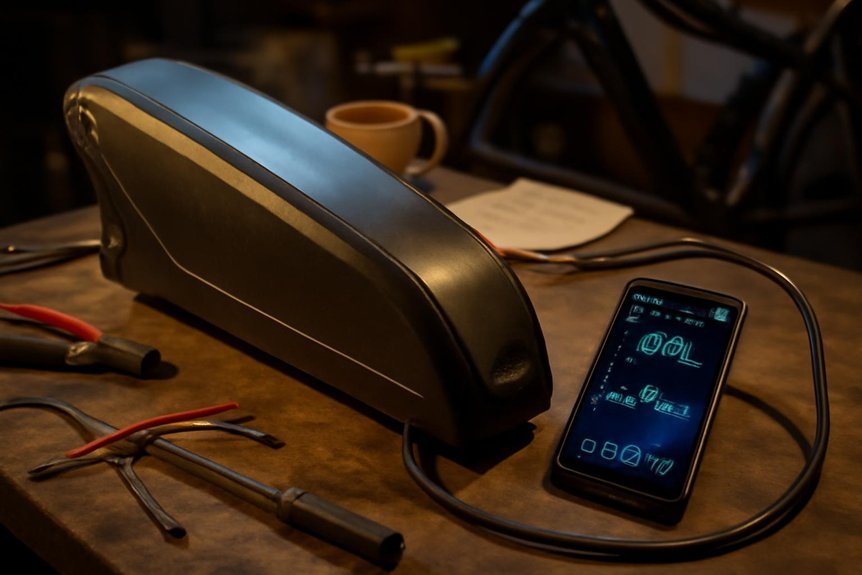
E-bike batteries are like the heart of your electric bike, pumping energy to keep you riding smoothly. They store electrical energy that powers your bike’s motor, helping you conquer hills and zoom through city streets.
Most e-bikes use lithium-ion batteries, which are lightweight, efficient, and long-lasting. When you charge your battery, you’re filling it up for your next adventure.
But remember, these batteries have a lifespan! With time, they can lose their ability to hold a charge. It’s important to know how to care for your battery, too.
Regularly charging it, avoiding extreme temperatures, and not letting it drain completely can keep it in top shape. So, treat your battery well, and it’ll keep you rolling for a long time!
Riding Habits and Their Impact
When you hop on your bike for a ride, the way you pedal and the routes you choose can make a big difference in how fast your battery drains.
If you take it easy and pedal consistently, your battery will last longer. But if you’re constantly accelerating, braking, or tackling steep hills, you’ll notice that battery percentage dropping quicker than you’d like.
Plus, riding at high speeds can drain your battery faster, so try to find a comfortable pace.
Also, frequent stops and starts can be tough on your battery life.
The Role of Terrain
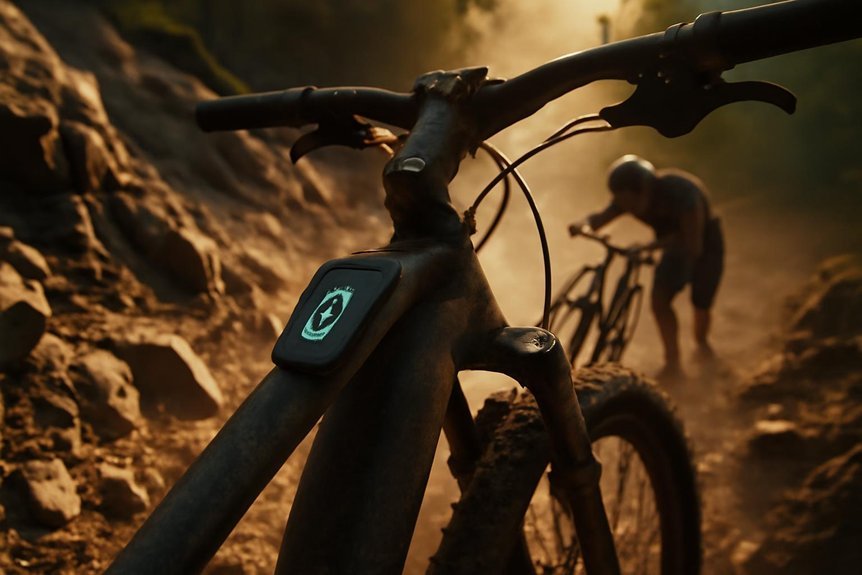
No matter how skilled you’re at riding, the terrain you tackle plays a huge role in how quickly your e-bike battery drains.
When you ride uphill, your bike works harder, using more energy and zapping that battery faster. Conversely, cruising downhill feels like a breeze, but you might still be using power if you’re relying on the motor too much.
Riding on rough or uneven surfaces can also take a toll, as you’ll need to exert more effort to maintain balance and control.
So, if you’re hitting steep hills or bumpy trails regularly, expect your battery to drain quicker than if you’re cruising on flat, smooth paths.
Choose your routes wisely to help preserve your battery life.
Battery Age and Maintenance
Battery age and proper maintenance can make a big difference in how long your e-bike lasts on a single charge. If your battery’s getting older, it mightn’t hold a charge as well as it used to. Think of it like a smartphone; over time, it just doesn’t last as long.
Regularly checking your battery connections and cleaning them can help keep everything running smoothly. Also, make sure you’re charging it correctly—avoid letting the battery drop too low and don’t leave it plugged in all the time.
A little TLC goes a long way! By taking care of your battery, you’ll not only extend its life but also enjoy those longer rides without worrying about the charge.
Weather Conditions and Temperature Effects
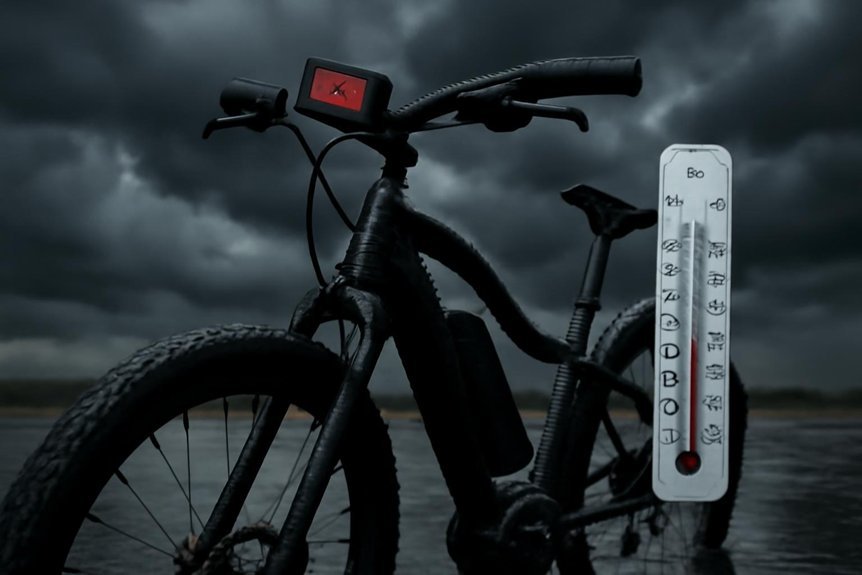
Although you might love riding your e-bike, it’s important to know that weather conditions can really impact how quickly your battery drains. Cold temperatures, for instance, can make your battery work harder, causing it to lose charge faster. Just like you might feel sluggish in the cold, your battery does too!
On the flip side, extremely hot weather can also be a problem. High heat can lead to overheating, which can shorten your battery’s lifespan.
Rainy or humid conditions can increase resistance, making your motor work harder. So, when the weather isn’t ideal, consider adjusting your riding habits. Dress warmly or avoid extreme heat to keep your e-bike running smoothly and your battery happy!
Power Settings and Assistance Levels
Have you ever wondered how your power settings affect your e-bike’s battery life? Well, they play a major role!
If you’re cruising on high assistance levels, your battery will drain faster than a soggy sponge. It’s like trying to run a marathon while sprinting every few minutes.
Instead, consider using lower settings for casual rides. This way, you can enjoy longer trips without worrying about a dead battery.
Also, remember that adjusting your power levels based on terrain can help. Steeper hills might need a boost, but flat paths can be easier on the battery.
Electrical Components and Accessories
When you think about your e-bike, it’s not just the battery and power settings that matter; the electrical components and accessories play a big part too.
Things like your lights, display, and even the motor can drain your battery faster than you expect. If you’ve got bright lights shining all the time, they can use up quite a bit of energy.
Also, if your display is constantly on, it’s like leaving a light on in your house! Accessories like phone chargers might be super handy, but they can also zap power.
Tips for Extending Battery Life
If you want to keep your e-bike battery lasting longer, there are some smart strategies you can use.
First, try to avoid letting your battery drop below 20% before recharging. It’s like letting your phone die before plugging it in!
Also, keep your battery at a moderate temperature; extreme heat or cold can drain it faster. Regularly cleaning your battery contacts helps guarantee a good connection, too.
When you ride, use pedal assist rather than full throttle; this eases the load on your battery.
Finally, don’t forget to give your bike a break now and then. Riding it too hard can wear out your battery quicker than you’d like.
With these tips, you’ll enjoy more rides and less battery anxiety!
FAQ
Can I Replace My E-Bike Battery With a Different Brand?
FAQ 1: Can I use a different brand of battery for my e-bike?
Yes, you can use a different brand of battery, provided it meets your e-bike’s specifications.
FAQ 2: What specifications should I check before replacing my e-bike battery?
You should check the voltage, capacity, and connector type of the new battery to ensure compatibility.
FAQ 3: What happens if I use an incompatible battery?
Using an incompatible battery can lead to performance issues or even damage to your e-bike.
FAQ 4: How do I find the specifications of my current e-bike battery?
You can typically find battery specifications on the battery label or in your e-bike’s user manual.
FAQ 5: Is it safe to mix brands when replacing e-bike batteries?
Mixing brands is generally safe as long as the new battery meets the required specifications, but it’s always best to consult your manufacturer.
FAQ 6: Can I increase the capacity of my e-bike battery with a different brand?
You can choose a battery with a higher capacity, but ensure that it fits within your e-bike’s design limits and specifications.
FAQ 7: Will a different connector type affect my e-bike battery replacement?
Yes, a different connector type will prevent the battery from connecting properly, so ensure compatibility.
FAQ 8: Do all e-bike batteries fit all e-bike models?
No, e-bike batteries are not universal; they are designed specifically for certain models and brands.
FAQ 9: How can I ensure the new battery will perform well?
Research the new battery’s reviews and compatibility with your e-bike model to ensure good performance.
FAQ 10: What should I do if I’m unsure about battery compatibility?
If you’re unsure, consult your e-bike’s manufacturer or a professional technician for guidance on compatible battery options.
How Do I Know if My Battery Is Faulty?
1. How can I monitor my battery’s charge cycles?
You can track the number of charge cycles by using a battery management system or an app that logs usage. A high number of cycles may indicate wear and reduced battery performance.
2. What are the signs of a swollen battery?
A swollen battery may appear bulging or misshapen, which can be visually inspected. If you notice any physical deformation, it’s a strong indication that the battery is faulty and needs replacement.
3. Is it normal for a battery to get warm during use?
Some heat is normal during charging and discharging, but excessive heat is a sign of a potential issue. If your battery feels unusually hot, it may be faulty and should be checked immediately.
4. How can I tell if my bike’s performance is affected by the battery?
If your bike struggles to maintain speed or loses power quickly, it could indicate a weak battery. Observing a drop in performance during rides can suggest it’s time for a replacement.
5. What should I do if my battery is losing power quickly?
If your battery drains significantly faster than usual, it’s advisable to test it with a multimeter or take it to a professional for evaluation. A quick loss of power often signals that the battery is nearing the end of its life.
6. Can I visually inspect my battery for faults?
Yes, you can visually check for signs like corrosion, leaks, or physical damage. Any visible issues should prompt further investigation or replacement.
7. How often should I check my battery’s condition?
It’s prudent to check your battery’s condition regularly, especially before long rides or after extended usage. Keeping an eye on its performance can help you catch faults early.
8. What tools can help me assess my battery’s health?
You can use a multimeter to check the voltage and a battery analyzer for more detailed diagnostics. These tools can provide insights into your battery’s overall health.
9. What environmental factors can affect battery performance?
Extreme temperatures, both hot and cold, can negatively impact battery performance. Storing your bike in extreme conditions may lead to faster deterioration of the battery.
10. Should I replace my battery if I notice any of these signs?
If you observe swelling, excessive heat, or performance issues, it’s best to replace the battery. Addressing these signs early can prevent further damage to your bike.
Is It Safe to Charge My Battery Overnight?
1. Is it safe to charge my e-bike battery overnight?
Yes, charging your e-bike battery overnight is generally safe if you use a quality charger.
2. What type of charger should I use for my e-bike?
Always use the charger recommended by the manufacturer to ensure compatibility and safety.
3. Can charging overnight damage my battery?
If you follow the manufacturer’s guidelines and use a proper charger, it should not damage your battery.
4. What precautions should I take when charging overnight?
Ensure the charger is in a well-ventilated area and avoid exposing it to extreme temperatures.
5. How can I ensure my battery stays healthy long-term?
Regularly follow the manufacturer’s maintenance tips and avoid overcharging by unplugging once fully charged.
6. What signs indicate that my battery is not charging safely?
Look for unusual heat, swelling, or strange smells coming from the battery or charger, which could indicate a problem.
7. Is it okay to charge my battery if it’s not fully drained?
Yes, modern lithium-ion batteries do not require a full discharge before recharging; partial charges are fine.
8. How long does it typically take to charge an e-bike battery?
Charging times vary by battery size and charger type, but most e-bike batteries take 4-8 hours to charge fully.
9. Can I leave my e-bike plugged in after it’s fully charged?
It’s best to unplug the charger once the battery is fully charged to prevent potential overcharging issues.
10. What should I do if my battery isn’t charging?
First, check the charger and connections for any issues; if problems persist, consult the manufacturer or a professional technician.
What Are Signs of Battery Swelling or Damage?
FAQ on Signs of Battery Swelling or Damage
1. What are the signs of battery swelling?
Signs of battery swelling include visible bulging or deformation of the battery casing. If you notice any unusual shapes, it’s an indication of potential damage.
2. How can I tell if a battery is overheating?
If a battery feels unusually hot to the touch during use or charging, it may be overheating. This can be a serious sign of potential failure or damage.
3. What should I do if I see leaking fluids from a battery?
Leaking fluids are a major warning sign of battery damage. If you observe any leaks, discontinue use immediately and handle the battery with care.
4. What unusual odors indicate battery damage?
A strange or foul odor, often described as a chemical smell, can indicate that a battery is damaged or malfunctioning. If you detect such odors, it’s important to stop using the battery right away.
5. Can battery swelling happen gradually?
Yes, battery swelling can occur gradually over time. Regularly inspect your batteries for any signs of bulging to catch issues early.
6. Is it safe to continue using a battery that shows signs of damage?
No, continuing to use a damaged battery is not safe. It can lead to further damage, leaks, or even fires.
7. What should I do if I suspect my battery is damaged?
If you suspect your battery is damaged, cease its use immediately. Store it in a cool, dry place away from flammable materials and consult a professional for disposal.
8. How can I prevent battery swelling?
To prevent battery swelling, avoid exposing your batteries to extreme temperatures, and ensure they are charged properly. Regularly monitor their condition for early signs of damage.
9. Are all batteries susceptible to swelling?
While many batteries can swell, lithium-ion batteries are particularly prone to this issue. Always take caution when using and charging these types of batteries.
10. What should I check for during routine battery inspections?
During routine inspections, look for any signs of bulging, heat, leaks, or unusual odors. These checks can help identify potential problems before they escalate.
Can I Use My E-Bike in the Rain?
1. Can I ride my e-bike in the rain?
Yes, you can ride your e-bike in the rain as long as it is designed to be water-resistant.
2. How can I check if my e-bike is water-resistant?
Refer to the manufacturer’s specifications or user manual to ensure your e-bike has a water-resistant rating.
3. What precautions should I take when riding in the rain?
Avoid riding through deep puddles and be cautious of slippery surfaces to maintain safety.
4. Will riding in the rain damage my e-bike?
If your e-bike is not water-resistant or if it is exposed to excessive water, it may suffer damage.
5. How do I dry my e-bike after riding in the rain?
Use a soft, dry cloth to wipe down the frame and electrical components to prevent moisture buildup.
6. Can rain affect the battery performance of my e-bike?
Yes, moisture can impact the battery’s performance, so ensure it is properly sealed and dry after use.
7. Should I avoid using my e-bike in heavy rain?
It’s best to avoid riding in heavy rain, as visibility and traction can be significantly reduced.
8. Are there specific tires for wet conditions?
Yes, consider using tires designed for wet conditions, as they provide better grip and safety.
9. How can I maintain my e-bike after riding in the rain?
Regularly clean and inspect your e-bike for any signs of rust or water damage to ensure its longevity.
10. Is it safe to use electronic components of my e-bike in the rain?
Ensure that all electronic components are adequately sealed; otherwise, rain exposure can lead to malfunctions.
Final Thoughts
So, if your e-bike battery’s draining faster than you can pedal, don’t panic! By tweaking your riding habits, choosing smoother paths, and keeping an eye on the weather, you can make a big difference. Remember, a little battery love goes a long way, so take care of it. With these tips, you’ll be zipping around with plenty of juice, ready for your next adventure. Happy riding, and may your battery last longer than your snack stash!