
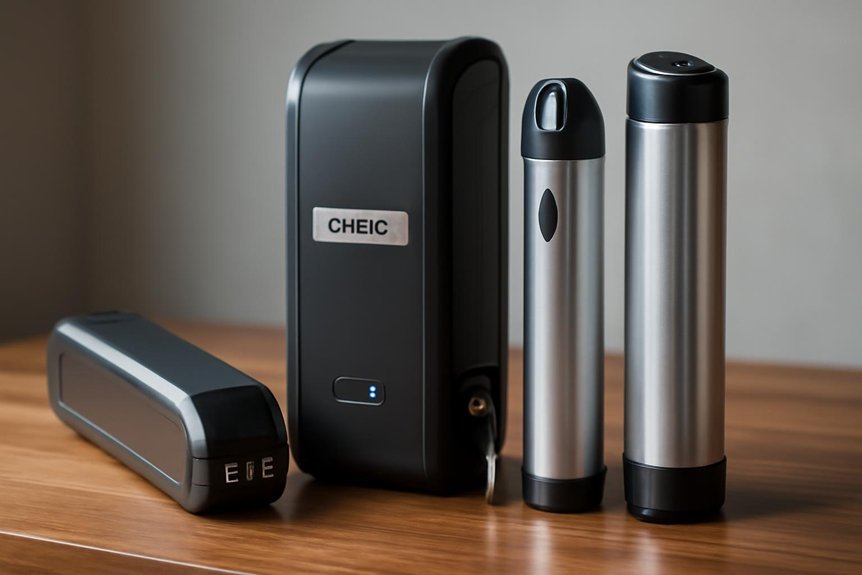
E-Bike Battery Sizes Explained
When it comes to e-bikes, battery size can feel like finding the perfect pair of shoes — it really makes a difference! Picture this: you’re gearing up for a sunny Saturday ride, the wind in your hair and the open road ahead. Suddenly, you realize that the battery size is crucial — it determines not just how far you can go, but also how much fun you can have along the way.
Imagine cruising down a scenic path with a 36V battery; it’s great for leisurely rides around the neighborhood or short commutes. But if you’re the kind of rider who dreams of tackling those challenging hills or embarking on longer journeys, the 48V battery might catch your eye, giving you that extra boost when you need it. And for those thrill-seekers who crave speed and adventure, a 52V battery could be the game-changer that lets you zip through trails like a pro.
It’s like choosing the right fuel for your adventure — each battery option has its perks and personalities. So, as you ponder your next ride, consider what battery suits your style best. After all, it’s not just about getting from point A to point B; it’s about enjoying every moment in between!
Understanding E-Bike Batteries: An Overview
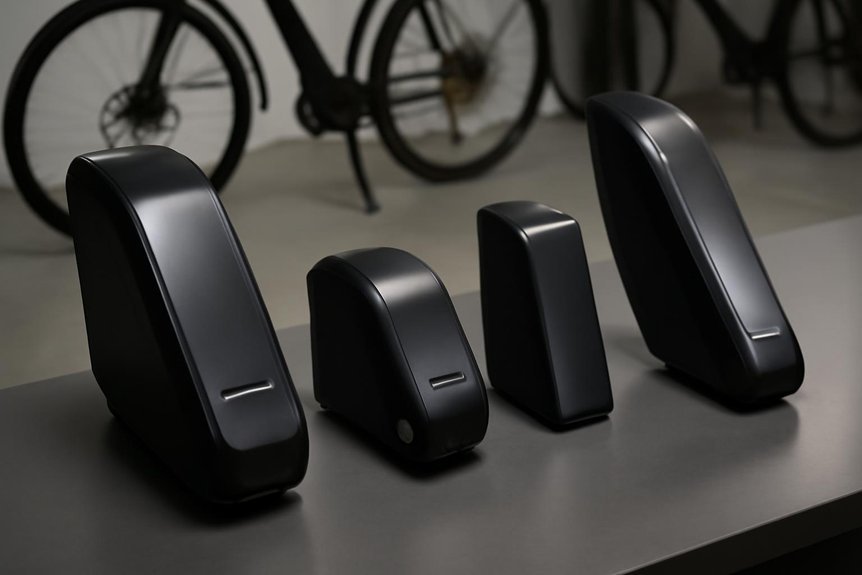
E-bikes are like the cool, high-tech cousins of regular bicycles, and their batteries are what really make them special. These batteries give you that extra boost, making it easier to tackle hills or ride longer distances.
You’ll notice they come in different sizes and types, each designed for specific rides. Some batteries are removable, letting you charge them separately, while others stay attached to the bike.
Understanding how these batteries work helps you choose the right e-bike for your adventures. Plus, knowing how to take care of your battery can extend its life, meaning more fun on your rides!
Common Battery Sizes and Their Capacities
When you’re exploring e-bike options, you’ll quickly notice that batteries come in several common sizes, each with different capacities to power your ride.
The most popular sizes include 36V, 48V, and 52V. A 36V battery usually has a capacity of around 10 to 20 amp-hours, giving you a range of 20 to 40 miles, depending on other factors.
If you step up to a 48V battery, you’ll find capacities from 10 to 20 amp-hours as well, often providing a range of 30 to 60 miles.
The 52V batteries, while less common, offer even more power and can help you tackle steeper hills with ease.
Choosing the right size can really boost your e-bike experience!
Factors Influencing Battery Performance
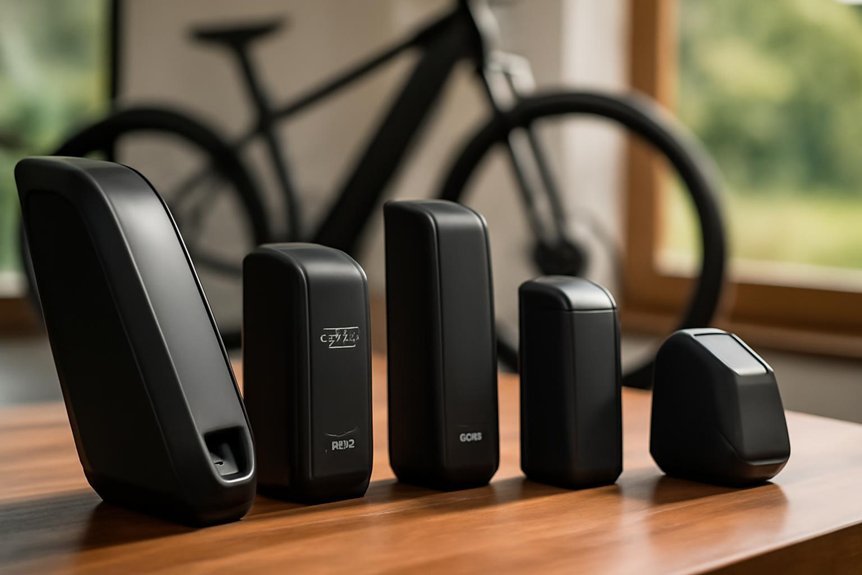
While choosing the right battery size is important, several factors can really affect how well it performs on your rides.
First, the weight of your e-bike and any gear you’re carrying can influence battery life. A heavier load means the battery has to work harder, draining it quicker.
Next, your riding style plays a role. If you love zooming up hills or racing down straightaways, expect your battery to deplete faster.
Weather conditions matter too; cold temperatures can reduce performance, while warm weather might help.
Finally, how often you charge and maintain your battery impacts its longevity.
How Battery Size Affects Range and Speed
Choosing the right battery size can make a big difference in how far and fast you can ride your e-bike. A larger battery usually means more capacity, allowing you to cover longer distances before needing a recharge. This is especially handy if you plan to take longer rides or tackle hilly terrain.
On the flip side, a smaller battery might limit your range, but it can make your e-bike lighter and easier to handle. When it comes to speed, a battery’s size also plays a role; more power can mean faster acceleration.
Charging Options and Considerations

Before you hit the road on your e-bike, it’s important to think about how you’ll charge that battery. Most e-bikes come with a charger that plugs into a standard wall outlet, which is super convenient. You can charge it at home, at work, or even at a friend’s place.
Just remember, charging times can vary depending on the battery size. Smaller batteries might take a few hours, while larger ones could need overnight charging.
If you’re out and about, look for charging stations or portable chargers that can give your battery a boost.
Finally, always keep an eye on the battery level—nobody wants to be stranded with a dead battery! So, plan ahead and enjoy your ride!
Choosing the Right Battery for Your Riding Needs
When it comes to picking the right battery for your e-bike, you’ve got a few things to contemplate that can really make a difference in your riding experience.
First, think about how far you plan to ride. If you’re cruising around the neighborhood, a smaller battery might work just fine. But if you’re tackling longer trails, you’ll want a bigger battery for that extra range.
Next, consider your riding style. Do you like zipping through hills or taking it easy on flat roads? Higher-capacity batteries can give you that boost.
Finally, don’t forget to look at weight; a lighter battery makes for easier handling.
FAQ
How Long Do E-Bike Batteries Typically Last Before Needing Replacement?
FAQs on E-Bike Battery Lifespan
1. How long do e-bike batteries usually last?
E-bike batteries generally last between 3 to 5 years. The exact lifespan can vary based on factors such as usage patterns and maintenance practices.
2. What factors affect the lifespan of an e-bike battery?
The primary factors include how frequently you use the bike, the charging habits, and exposure to extreme temperatures. Proper care can significantly extend the battery’s life.
3. Does charging method influence battery longevity?
Yes, charging your battery properly—avoiding overcharging and using the recommended charger—can enhance its lifespan. Consistent care during charging is essential.
4. What temperature conditions should I avoid for my e-bike battery?
Extreme temperatures, both hot and cold, can negatively impact battery performance and lifespan. It’s best to store your battery in a moderate environment.
5. How can I maximize my e-bike battery’s life?
Regular maintenance, proper charging techniques, and avoiding extreme temperature exposure are key practices. Additionally, keeping the battery partially charged rather than fully drained can help.
6. Is it normal for battery performance to decline over time?
Yes, as e-bike batteries age, it is common for their performance to gradually decline. This is a natural part of the battery’s lifecycle.
7. Can I replace my e-bike battery myself?
In many cases, e-bike batteries can be replaced by the user, but it’s important to follow the manufacturer’s guidelines. If unsure, consulting a professional is advisable.
8. What signs indicate it’s time to replace my e-bike battery?
If you notice a significant decline in range or if the battery won’t hold a charge, it may be time for a replacement. Regular performance checks can help identify these issues early.
9. How often should I check my e-bike battery’s condition?
It’s a good practice to check your battery’s condition periodically, especially if you notice changes in performance. Regular inspections can help you catch potential issues early.
10. What happens if I don’t maintain my e-bike battery?
Neglecting maintenance can lead to reduced performance, a shorter lifespan, and eventual battery failure. Proper care is crucial to ensure optimal function and longevity.
Can I Upgrade My E-Bike Battery to a Higher Capacity?
1. Can I upgrade my e-bike battery to a higher capacity?
Yes, you can upgrade to a higher capacity battery if it is compatible with your e-bike’s system.
2. What should I check before upgrading my battery?
Ensure that the voltage and connections of the new battery match your existing e-bike setup.
3. Will a higher capacity battery damage my e-bike?
Using a battery that isn’t compatible can damage your bike’s components, so it’s crucial to verify compatibility.
4. How do I determine if a new battery is compatible?
Consult your e-bike manufacturer or check the specifications of both the new battery and your bike’s system to confirm compatibility.
5. Can I mix different battery brands on my e-bike?
It’s generally advised to use batteries from the same manufacturer to ensure optimal performance and compatibility.
6. What voltage should I look for in a new battery?
Always match the voltage of the new battery with your current battery to avoid electrical issues.
7. Are there any safety concerns with upgrading my battery?
Yes, improper installation or incompatible batteries can pose safety risks, so ensure you follow guidelines carefully.
8. How much of a capacity increase is advisable?
A moderate increase in capacity can improve range, but drastic increases may lead to compatibility issues or performance problems.
9. Can I install the new battery myself?
If you’re familiar with e-bike systems, you can install it yourself, but seeking professional assistance is recommended if you’re unsure.
10. What if I have additional questions about upgrading my battery?
Contact your e-bike manufacturer or a qualified technician for guidance tailored to your specific model and needs.
What Happens if I Overcharge My E-Bike Battery?
FAQs about Overcharging E-Bike Batteries
1. What happens if I overcharge my e-bike battery?
Overcharging can lead to overheating, which may damage the battery. This can result in decreased performance or complete failure.
2. Can overcharging affect the lifespan of my battery?
Yes, overcharging can significantly reduce the lifespan of your e-bike battery, causing it to degrade faster than normal.
3. What are the signs of an overcharged battery?
Signs of an overcharged battery include excessive heat, swelling, or unusual smells. If you notice any of these, stop charging immediately.
4. Is it safe to leave my e-bike battery charging overnight?
Leaving your battery charging overnight can increase the risk of overcharging, especially if your charger lacks an automatic shut-off feature.
5. What type of charger should I use for my e-bike battery?
Always use a charger that is specifically designed for your e-bike battery model to ensure safe and effective charging.
6. How can I monitor the charging process of my e-bike battery?
You can monitor the charging process by checking the battery indicator or using a smart charger that displays the charging status.
7. What should I do if my battery overheats while charging?
If your battery overheats, unplug it immediately and allow it to cool down before inspecting for any damage or issues.
8. Does overcharging void my battery warranty?
Many manufacturers specify that improper charging, including overcharging, can void the warranty on the battery.
9. Are there any protective features in e-bike batteries against overcharging?
Some e-bike batteries come with built-in protection circuits that prevent overcharging, but relying solely on these features is not advisable.
10. Can I use a generic charger for my e-bike battery?
Using a generic charger is not recommended, as it may not provide the correct voltage or current, increasing the risk of overcharging or damage.
Are There Safety Risks Associated With E-Bike Batteries?
1. What are the main safety risks associated with e-bike batteries?
E-bike batteries can pose risks such as overheating, short circuits, and improper charging. These issues can potentially lead to fires or damage to the battery.
2. How can overheating occur in e-bike batteries?
Overheating can happen due to excessive use, poor ventilation, or a malfunctioning battery management system. It’s important to monitor battery temperature during use.
3. What causes short circuits in e-bike batteries?
Short circuits may occur due to damaged wiring, faulty connections, or manufacturing defects. They can lead to significant safety hazards if not addressed promptly.
4. How can improper charging affect e-bike batteries?
Using a charger that is not compatible or failing to follow charging instructions can damage the battery. This may lead to reduced battery life or even fires.
5. What are the signs of a damaged e-bike battery?
Signs of damage include swelling, unusual noises, or a burning smell. If any of these symptoms are present, it’s crucial to stop using the battery immediately.
6. How often should I inspect my e-bike battery?
Regular inspections are recommended, ideally before each ride. Look for physical damage, signs of wear, and ensure connections are secure.
7. What should I do if my e-bike battery overheats?
If your battery overheats, immediately disconnect it from the charger and allow it to cool in a safe, ventilated area. Do not attempt to use the battery until it has returned to a safe temperature.
8. Can I leave my e-bike battery charging unattended?
It’s not advisable to leave your e-bike battery charging unattended. Always monitor the charging process to prevent potential hazards.
9. How should I store my e-bike battery?
Store the battery in a cool, dry place away from direct sunlight. Ensure it’s charged to around 50% for optimal long-term storage.
10. What manufacturer guidelines should I follow for my e-bike battery?
Always refer to the specific guidelines provided by the manufacturer regarding charging, storage, and maintenance. Adhering to these instructions can help mitigate safety risks.
11. Is it safe to use third-party chargers for my e-bike battery?
Using third-party chargers can be risky if they are not specifically designed for your battery model. Always use the manufacturer-recommended charger to avoid safety issues.
How Should I Store My E-Bike Battery During Winter?
FAQs on Storing E-Bike Batteries During Winter
1. What is the ideal temperature for storing my e-bike battery?
Store your e-bike battery in a cool, dry place with a temperature around 50-60°F to prolong its lifespan.
2. Should I charge my battery before storing it for winter?
Yes, it’s important to fully charge your battery before storage to maintain optimal performance during the winter months.
3. How often should I check my e-bike battery during winter?
Check your battery at least once a month to ensure it remains charged and in good condition.
4. Can I store my battery in an unheated garage?
It’s best to avoid storing your battery in an unheated garage where temperatures can drop below the recommended range, as extreme cold can damage it.
5. What should I do if my battery is below the recommended charge before storage?
If your battery is below the recommended charge, fully charge it before storing to prevent damage and ensure its longevity.
6. Is it safe to leave my battery connected to the charger during winter?
No, you should unplug the charger after the battery is fully charged to avoid potential overcharging and damage.
7. Should I remove the battery from the e-bike for winter storage?
Yes, it’s advisable to remove the battery from the e-bike for winter storage to protect it from extreme temperatures and potential theft.
8. What type of storage container is best for my e-bike battery?
Use a sturdy, dry container that can protect the battery from moisture and physical damage during storage.
9. How can I prevent my battery from freezing?
Store your battery indoors in a temperature-controlled environment to prevent freezing and potential irreversible damage.
10. What signs indicate that my e-bike battery needs replacement?
If your battery fails to hold a charge, shows significant drops in performance, or has physical damage, it may need to be replaced.
Final Thoughts
To sum up, picking the right e-bike battery size can make a big difference in your ride! Whether you choose a 36V for casual cruising, a 48V for longer adventures, or a powerful 52V for those steep hills, each has its perks. Remember, it’s all about matching the battery to your riding style and needs. So, gear up, charge up, and hit the road with confidence—your perfect e-bike experience is just a battery away!