Do Emtbs Damage Trails?
So, do electric mountain bikes, or Emtbs, really damage trails? This question sparks lively debates among riders and trail experts alike, reminiscent of the passionate discussions that arise around a campfire after a long day on the trails. Picture this: a group of friends, tired but exhilarated, sharing stories of their latest adventures as the sun sets behind the trees. Some in the group express concern, voicing worries that Emtbs, with their added weight and speed, could lead to erosion and wider paths. They recall a time when they rode a narrow trail that had been washed out, leaving it nearly impassable.
On the flip side, others argue that Emtbs open up the great outdoors to a wider audience, making challenging trails more accessible to those who might not have been able to tackle them on a traditional bike. One rider shares how an Emtb allowed her to explore trails she had only dreamed of, bringing her family along for the ride and creating lasting memories together.
So, what’s the real impact of Emtbs on our beloved trails? Let’s take a closer look at the pros and cons, and see if we can uncover the truth amidst the chatter and camaraderie of the biking community.
Understanding Emtbs: Features and Benefits
When you think about electric mountain bikes, or Emtbs, you might picture a thrilling ride through the woods, but there’s so much more to them!
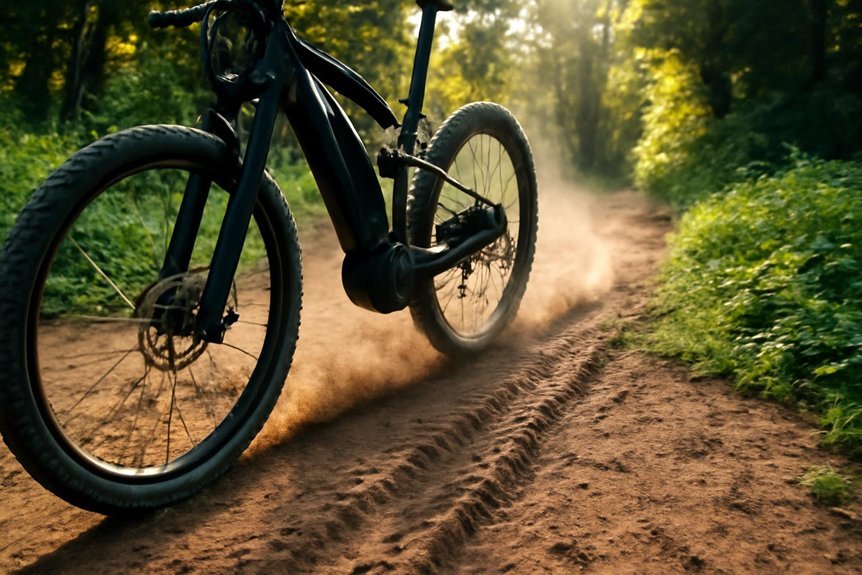
Emtbs combine the excitement of traditional mountain biking with the power of electric assistance, making trails accessible to more riders. You’ll feel the rush as you tackle steep hills and challenging paths without exhausting yourself.
Plus, many Emtbs come equipped with features like adjustable suspension and powerful brakes, ensuring a safe, smooth ride.
Whether you’re a beginner or a seasoned pro, these bikes can enhance your outdoor experience. With Emtbs, you can explore further and faster, all while enjoying nature.
The Environmental Impact of Trail Usage
Exploring trails on your Emtb is a blast, but it’s important to think about how our rides affect the environment. When you zoom through the woods, you mightn’t realize that your tires can compact the soil and disturb plants. This can lead to erosion, which can harm the trail and surrounding wildlife.
Plus, riding off designated paths can damage delicate ecosystems, making it harder for plants and animals to thrive. To minimize your impact, stick to established trails and avoid muddy areas.
If you see a trail getting worn down, consider reporting it to local trail management. By being responsible, you can enjoy your rides while helping to protect the beautiful nature around you.
Let’s keep the trails in great shape for everyone!
Comparisons: Emtbs vs. Traditional Mountain Bikes
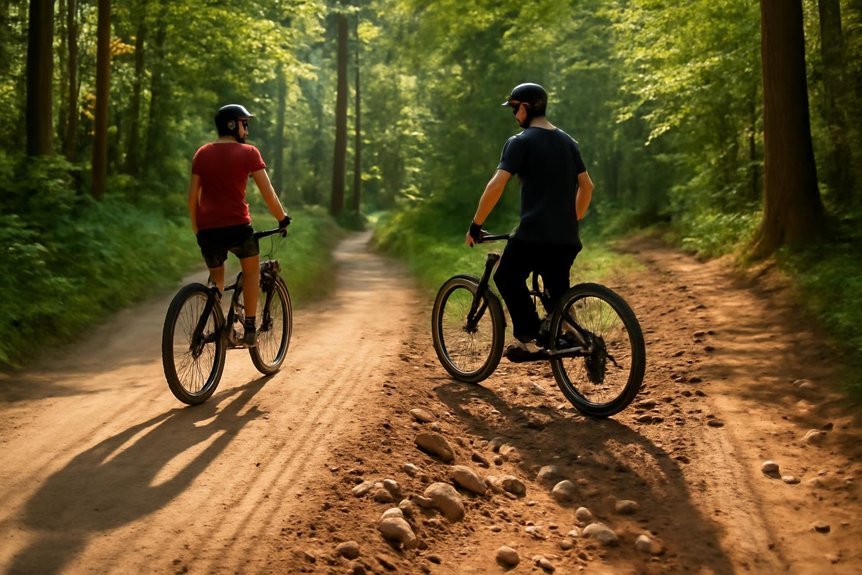
While both Emtbs and traditional mountain bikes offer thrilling rides, they each come with their own unique advantages and challenges.
Emtbs, or electric mountain bikes, give you that extra boost, making steep hills feel like a breeze. You can tackle tougher trails without feeling completely wiped out.
On the other hand, traditional mountain bikes keep you in complete control, allowing for a more connected experience with the trail. You get a workout, too!
However, Emtbs might weigh a bit more, which can be tricky when maneuvering tight spots. Traditional bikes, while lighter, require more effort, especially on tough inclines.
Perspectives From Trail Experts
Many trail experts agree that the impact of Emtbs on trails can spark quite a debate. Some believe these electric mountain bikes can cause more damage due to their increased speed and weight. They argue that this can lead to erosion and trail widening, especially on softer surfaces.
Others, however, see the potential benefits. They point out that Emtbs allow more people to access trails, increasing enjoyment and promoting trail stewardship. Plus, they can help riders tackle challenging terrains with less effort.
Voices From the Emtb Community
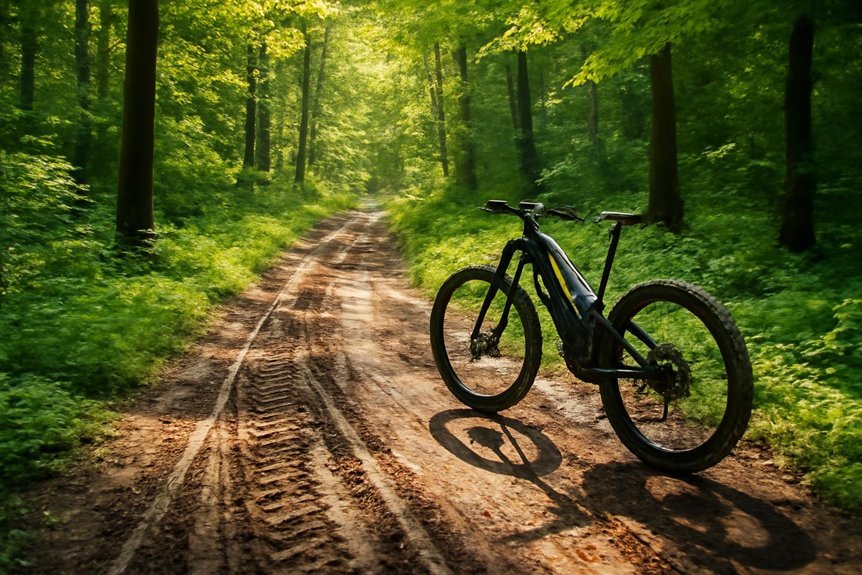
How do Emtb riders feel about their impact on trails? Many Emtb enthusiasts are passionate about riding but worry about their footprint on nature.
They often believe that responsible riding can actually help preserve trails. You’ll hear riders stress the importance of staying on designated paths to minimize damage. They argue that Emtbs can navigate rough terrain without causing as much harm as some think.
Plus, many riders actively participate in trail maintenance, showing they care about the environment. They want to share the joy of Emtb riding with others, while being mindful of trail conditions.
Ultimately, Emtb riders aim to balance their love for adventure with respect for the trails they cherish. It’s all about enjoying nature while protecting it!
Analyzing Trail Damage and Erosion
Emtb riders often celebrate their connection with nature, but it’s important to look closely at how trails are affected by all that fun.
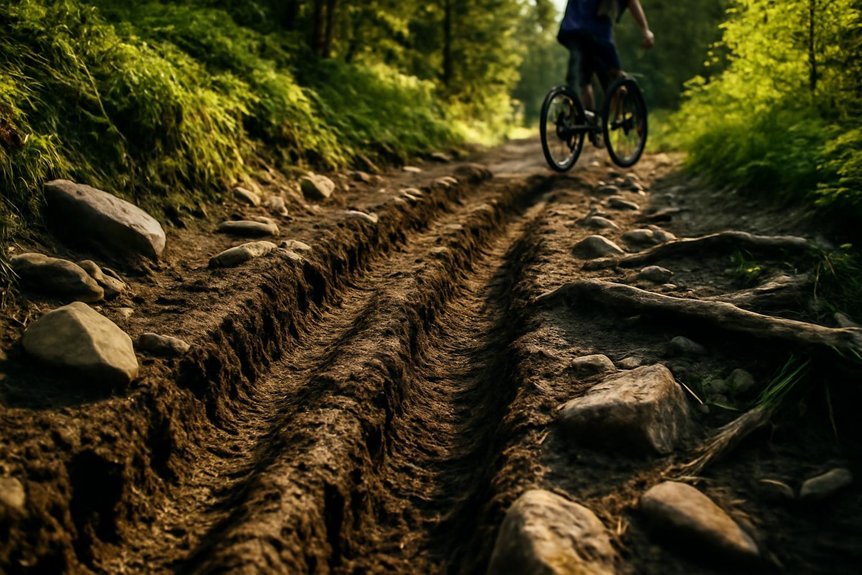
When you ride, your excitement can unintentionally lead to trail damage and erosion. The weight of your eMTB, combined with speed, can create ruts and compacted soil, making it hard for plants to grow back.
Rainwater can wash away loose dirt, deepening those ruts and widening the trail. You might notice muddy patches where water collects instead of flowing away.
It’s essential to be mindful of your impact. By understanding how your riding affects the landscape, you can help preserve those beautiful trails for yourself and others who love nature just as much as you do.
Mitigation Strategies for Responsible Riding
While exploring the great outdoors on your eMTB, it’s essential to think about how you can ride responsibly and protect the trails you love.
First, stick to established trails to avoid creating new paths that can lead to erosion. When conditions are wet, consider postponing your ride; muddy trails are more prone to damage.
Also, keep your speed in check, especially on steep descents, to maintain control and reduce the impact on the trail. If you encounter other trail users, be courteous and give them space, ensuring everyone enjoys their time outdoors.
Finally, get involved in trail maintenance days; it’s a fun way to meet fellow riders while helping preserve those beautiful paths you cherish!
The Future of Emtbs and Trail Conservation
As we look ahead, the relationship between eMTBs and trail conservation becomes even more important. You might wonder how we can balance fun rides with protecting our trails.
The good news is that eMTB riders are becoming more aware of their impact. By following responsible riding practices and advocating for better trail maintenance, you can help keep our trails in great shape.
Imagine joining local groups that work on trail conservation, or participating in events that promote sustainable riding.
As technology advances, eMTBs will likely become even more eco-friendly, making it easier for you to enjoy the outdoors without harming it.
FAQ
What Is the Average Weight Difference Between Emtbs and Traditional Mountain Bikes?
1. How much heavier are electric mountain bikes compared to traditional ones?
Electric mountain bikes typically weigh about 10 to 20 pounds more than traditional mountain bikes due to the added weight of the battery and motor.
2. What factors contribute to the weight difference between EMTBs and traditional mountain bikes?
The primary contributing factors are the battery and motor found in electric mountain bikes, which add significant weight compared to conventional models.
3. Is the weight difference noticeable when riding?
Yes, riders often notice the weight difference when lifting or maneuvering the bike, which can affect handling and ease of transport.
4. Do all electric mountain bikes weigh the same?
No, the weight can vary among different models of electric mountain bikes, depending on the size of the battery, motor, and overall design.
5. Can the weight difference affect performance?
Yes, the additional weight of electric mountain bikes can influence performance, particularly in aspects like climbing and maneuverability on technical trails.
6. Are lighter electric mountain bikes available?
Some manufacturers produce lightweight electric mountain bikes, which may weigh closer to traditional bikes, but they may compromise on battery size or power.
7. How does the weight affect battery life?
Generally, a heavier bike with a larger battery may provide longer rides, but the added weight can also make it more challenging to handle on steep trails.
8. What should I consider when choosing between an EMTB and a traditional mountain bike?
Consider your riding style, the type of terrain you’ll tackle, and how much weight you’re comfortable handling, along with battery life and power.
9. Are there benefits to the extra weight of EMTBs?
The extra weight can provide stability and traction on descents, and the motor assistance can help offset the additional load when climbing.
10. Do electric mountain bikes require different maintenance due to their weight?
While the weight itself doesn’t directly dictate maintenance needs, the motor and battery systems require specific care and attention that traditional bikes do not.
How Does Tire Pressure Affect Trail Damage When Using Emtbs?
FAQs on Tire Pressure and Trail Damage with EMTBs
1. How does lower tire pressure affect trail damage?
Lower tire pressure increases the tire’s contact area with the ground, which helps to distribute weight more evenly. This can reduce the impact on sensitive trail surfaces, leading to less erosion and compaction.
2. What happens to trail surfaces with higher tire pressure?
Higher tire pressure results in a smaller contact area, concentrating the force on specific points. This can lead to increased erosion and compaction, especially on delicate trail surfaces.
3. Is there an optimal tire pressure for riding EMTBs?
While optimal tire pressure can vary based on terrain and rider preference, generally lower pressures are recommended for reducing trail damage. Riders should experiment within the manufacturer’s guidelines for the best balance between performance and environmental impact.
4. Can tire pressure impact the durability of trails?
Yes, improper tire pressure can accelerate trail degradation. Consistently using high pressure can lead to more pronounced wear and tear on trails, making them less sustainable over time.
5. How does tire pressure influence rider experience on EMTBs?
Correct tire pressure can enhance grip and comfort, improving overall ride quality. Lower pressure can absorb bumps better, while higher pressure may result in a rougher ride and less traction.
6. What are the consequences of riding with low tire pressure?
While lower tire pressure can reduce trail damage, excessively low pressure may increase the risk of pinch flats and decrease control. Riders need to find a balance that minimizes both trail impact and personal safety.
7. Does tire width affect how pressure impacts trail damage?
Yes, wider tires generally allow for lower tire pressure without compromising performance. This can further reduce trail damage by increasing the tire’s footprint on the ground.
8. How should riders adjust tire pressure for different terrains?
Riders should lower tire pressure for softer, more sensitive trails to minimize damage and improve grip. Conversely, firmer terrains may allow for slightly higher pressures while still being mindful of trail impact.
9. Can tire pressure affect erosion on steep trails?
Absolutely. Higher tire pressure can exacerbate erosion on steep trails by concentrating weight and force, leading to increased soil displacement and instability.
10. What can riders do to minimize trail damage related to tire pressure?
Riders should regularly check and adjust their tire pressure according to trail conditions and environmental guidelines. Educating themselves on the impact of their tire pressure choices can help promote sustainable riding practices.
Are Certain Trail Types More Susceptible to Damage From Emtbs?
1. Are eMTBs more damaging to certain trail types?
Yes, eMTBs can cause more damage on soft or muddy trails, as the increased weight and traction can lead to erosion and rutting.
2. What types of trails are most affected by eMTBs?
Soft and muddy paths are particularly vulnerable, as they can easily be compacted or torn up by the power of eMTBs.
3. How does trail condition impact eMTB use?
The condition of the trail should influence your choice of routes; riding on wet or soft trails can exacerbate damage and impact the environment.
4. What should I consider before riding an eMTB on a trail?
Evaluate the current trail conditions, including soil moisture and surface type, to ensure you minimize damage and maintain sustainable riding practices.
5. Can eMTBs ride on all types of trails?
While eMTBs can technically ride on various trails, it’s essential to avoid those that are wet or fragile to prevent unnecessary damage.
6. What are the environmental impacts of riding eMTBs on sensitive trails?
Riding on sensitive trails can lead to increased erosion, habitat disruption, and long-term degradation of the trail ecosystem.
7. Are there guidelines for eMTB trail usage?
Many regions have guidelines for eMTB use that recommend avoiding soft trails during wet conditions to protect the environment and preserve trail integrity.
8. What happens if I ride on a muddy trail with an eMTB?
Riding on a muddy trail can create ruts and damage the trail surface, leading to costly repairs and potential trail closures.
9. How can I minimize my impact while using an eMTB?
Choose well-maintained trails and avoid riding when conditions are wet or muddy to reduce environmental impact and protect trail health.
10. Is there a difference in damage caused by regular mountain bikes versus eMTBs?
While both can cause damage, eMTBs may exacerbate the issue due to their added weight and power, particularly on vulnerable trail types.
What Maintenance Practices Can Reduce Trail Damage From Emtbs?
1. What maintenance practices can help reduce trail damage from eMTBs?
Regular maintenance such as grading, enhancing drainage, and implementing erosion control measures can significantly lessen trail damage caused by eMTBs.
2. How does grading benefit eMTB trails?
Grading helps to level the trail surface, reducing the formation of ruts and improving rideability, which in turn minimizes erosion and wear.
3. What role does drainage play in trail maintenance?
Improving drainage prevents water accumulation on trails, which can lead to muddy conditions and increased erosion, thus preserving the trail’s integrity.
4. Are there specific erosion control methods for eMTB trails?
Yes, methods like installing water bars, building retaining walls, and planting vegetation can effectively control erosion on eMTB trails.
5. How can rider education impact trail damage?
Educating riders on proper trail etiquette encourages responsible use, which helps maintain the trail and reduces the likelihood of damage.
6. What is considered proper trail etiquette for eMTB users?
Proper trail etiquette includes staying on designated paths, yielding to hikers, and avoiding wet or muddy trails to minimize damage.
7. Why is it important to encourage proper use of trails?
Encouraging proper use fosters a respectful riding culture that prioritizes trail preservation, benefiting all users and the environment.
8. How often should trail maintenance be conducted?
Regular maintenance should be conducted based on trail usage, but seasonal assessments and repairs are generally recommended to address wear and tear.
9. Can community involvement help in trail maintenance?
Absolutely! Community involvement through volunteer days or local groups can enhance maintenance efforts and spread awareness about trail care.
10. What are the long-term benefits of maintaining eMTB trails?
Consistent maintenance helps ensure sustainable trail conditions, reduces repair costs over time, and enhances the overall riding experience for eMTB users.
How Do Weather Conditions Influence the Impact of Emtbs on Trails?
1. How do wet conditions affect eMTB trails?
Wet conditions can soften trail surfaces, making them more susceptible to erosion caused by eMTB tires. Riding during these times increases the risk of trail damage.
2. What impact does snow have on eMTB trails?
Snow can create a slippery surface that may lead to tire spinning and trail degradation. It’s advisable to avoid riding on snowy trails to protect the trail integrity.
3. How does extreme heat influence trail conditions for eMTBs?
Extreme heat can dry out trails, but it can also cause them to become hard and brittle. Riding under such conditions may lead to cracking and damage to the trail.
4. What is the best weather for riding eMTBs?
The best conditions for riding eMTBs are dry and moderate weather. This minimizes the risk of trail damage and ensures a better riding experience.
5. How does humidity affect trail conditions?
High humidity can keep trails moist, which may lead to a muddy surface. This condition increases the likelihood of erosion and trail ruts from tire tracks.
6. Should I ride eMTBs during or after rainfall?
It’s best to avoid riding eMTBs during or immediately after rainfall. The wet conditions can compromise trail stability and increase environmental impact.
7. What trail damage can occur in muddy conditions?
Muddy conditions can lead to excessive tire ruts and erosion. This not only damages the trail but can also create drainage issues and impact surrounding vegetation.
8. Can riding eMTBs in winter conditions harm the trails?
Yes, riding in winter conditions, especially on frozen ground, can lead to trail compaction and erosion. It’s recommended to use designated winter trails or avoid riding altogether.
9. How can I minimize my impact on trails during adverse weather?
To minimize impact, choose to ride eMTBs when trails are dry and stable. Additionally, follow local guidelines regarding trail usage during wet or snowy conditions.
10. What should I do if I encounter muddy trails while riding?
If you encounter muddy trails, it’s best to turn back rather than ride through them. This helps prevent further trail damage and maintains the integrity of the trail system.
Final Thoughts
In the end, Emtbs can spark lively discussions about trail damage and accessibility. While they might cause some wear and tear on the trails, responsible riding can make a big difference. By following best practices, like sticking to established paths and avoiding muddy spots, you can help keep the trails in great shape for everyone. So, whether you’re zipping on an Emtb or a traditional bike, let’s ride smart and protect our outdoor playgrounds!