
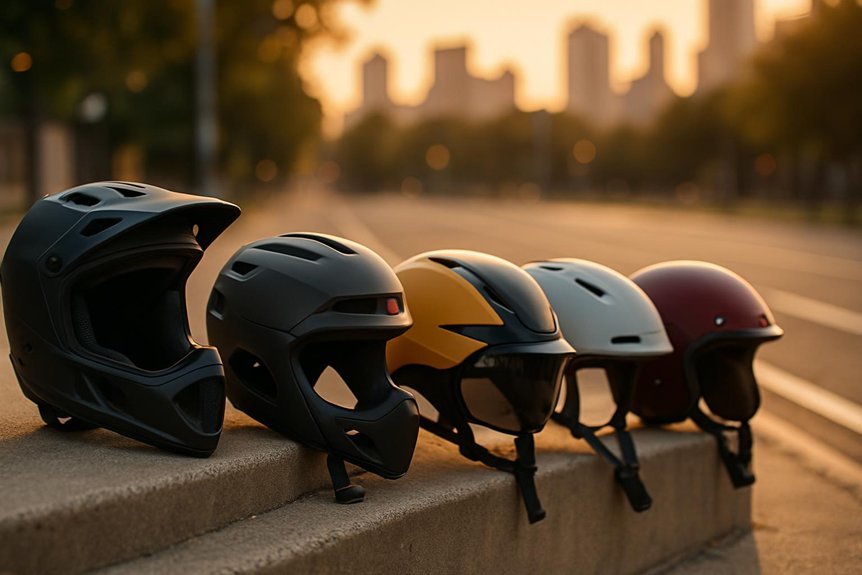
6 Best E‑Bike Helmets of 2025 — Top Picks for Safety, Comfort, and Style
You’re riding faster and farther than before, so your helmet matters more than ever. These six 2025 picks blend modern safety tech like MIPS with comfort, ventilation, and style, whether you want extra coverage for gravel and trail or a lightweight commuter option. I’ll walk you through what each model does best and help you match features to your riding—so you can pick one that fits your needs and keeps you confident on the road.
Fox Racing Mainframe Mountain Bike Helmet
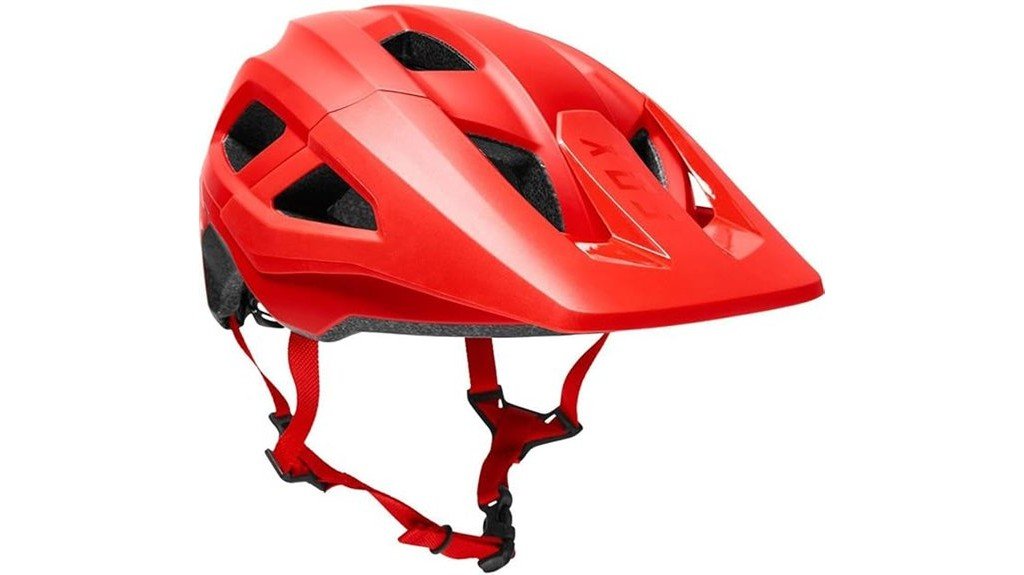
If you’re the kind of rider who likes to push into technical singletrack or take fast, confidence-building descents on an e-MTB, the Fox Racing Mainframe is built to protect you without weighing you down. You’ll appreciate its MIPS system, which helps reduce rotational forces in a crash by absorbing and redirecting energy away from your brain. The shell gives extended coverage where you need it most, and venting with channeled, in-molded EPS keeps air moving so you stay cool on long climbs. The integrated MIPS fit feels seamless and light, the liner is removable and washable, and overall it balances safety, comfort, and practicality.
Best For: Riders who tackle technical singletrack and fast e-MTB descents seeking lightweight, extended-coverage protection with MIPS rotational-impact mitigation.
Pros:
- Proven MIPS system reduces rotational forces in crashes for improved brain protection.
- Extended shell coverage and in-molded EPS construction for enhanced safety without excessive weight.
- Integrated MIPS fit and removable, moisture-wicking liner provide comfortable, low-profile wear and easy maintenance.
Cons:
- Not a full-face helmet, so it offers less facial/chin protection for very aggressive downhill riding.
- Venting and coverage balance may let in more air but could be less insulating in cold conditions.
- Limited features compared with higher-end models (e.g., adjustable visor systems or advanced fit adjusters).
Met Terranova MIPS Helmet
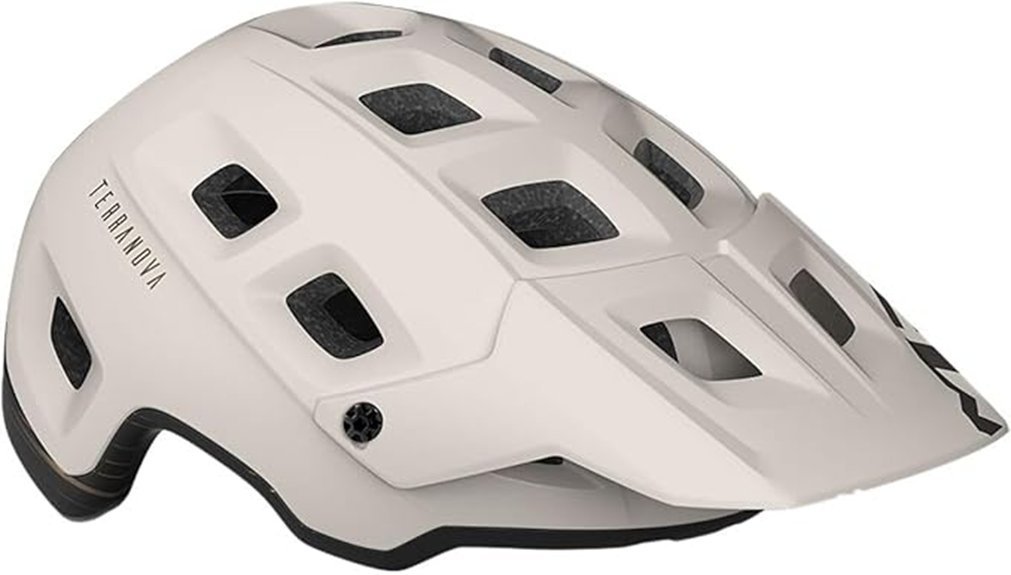
The Met Terranova MIPS helmet is a great pick if you want solid protection and everyday comfort for e-bike riding, especially when you commute or take longer city trips. You’ll like the in-mold polycarbonate shell bonded to an EPS liner; that combo keeps the helmet light but sturdy. The fully polycarbonate-wrapped EPS adds durability so it holds up to daily use. MET’s Safe-T DUO fit system helps you dial in a snug feel quickly. Extended coverage and the MIPS-C2 Brain Protection System give extra safety in certain impacts, and it’s built to meet key head-protection standards.
Best For: Commuters and e-bike riders seeking a durable, comfortable everyday helmet with extended coverage and added MIPS protection for city and longer urban trips.
Pros:
- In-mold polycarbonate shell bonded to an EPS liner keeps the helmet lightweight yet sturdy.
- Fully polycarbonate-wrapped EPS increases durability for daily use.
- MIPS-C2 system plus extended coverage and MET Safe-T DUO fit system provide enhanced safety and a secure, adjustable fit.
Cons:
- MIPS-C2 offers extra protection only in certain impact scenarios, not all types of crashes.
- May lack some ventilation or aerodynamic features preferred by performance cyclists (designed more for urban/commute use).
- No mention of integrated lights or high-visibility features often useful for e-bike commuters.
Bell Nomad 2 MIPS
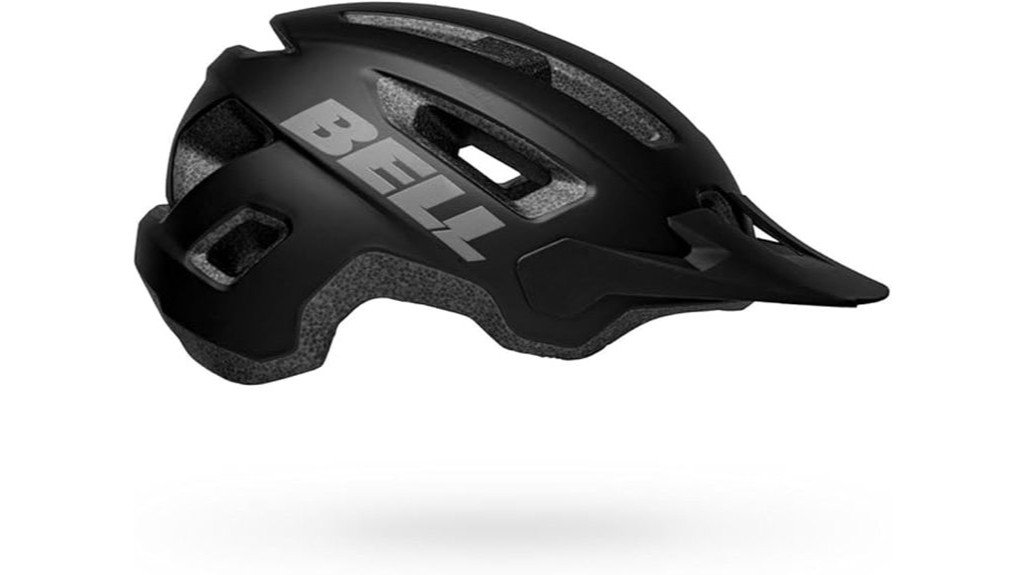
Built for riders who want solid protection without a lot of bulk, the Bell Nomad 2 MIPS pairs a lightweight polycarbonate shell with an integrated MIPS slip plane to help reduce rotational forces in angled crashes. You’ll like the Ergo Fit dial and rubber overmold for quick, precise adjustments, and the No-Twist Tri-Glides keep straps flat and comfortable. Vent ports and a longer adjustable visor help on sunny rides, though some users report sweat buildup and chin-strap fussiness. With a 4.6 rating, unisex sizing, and a one-year warranty, it’s a practical, value-focused choice if you get the fit right.
Best For: Riders seeking lightweight, value-focused trail/commuter protection with added rotational-impact safety and an easy-to-adjust fit.
Pros:
- Integrated MIPS slip plane for reduced rotational forces in angled impacts.
- Lightweight polycarbonate shell with Ergo Fit dial and rubber overmold for quick, precise adjustments.
- Longer adjustable visor and generous venting for sun protection and airflow.
Cons:
- Some users report sweat buildup and ventilation may not be sufficient for very hot conditions.
- Occasional chin-strap discomfort noted in reviews despite No-Twist Tri-Glides.
- Proper fit is essential; an ill-fitting helmet can be unsafe and sizing may vary by head shape.
POC Tectal
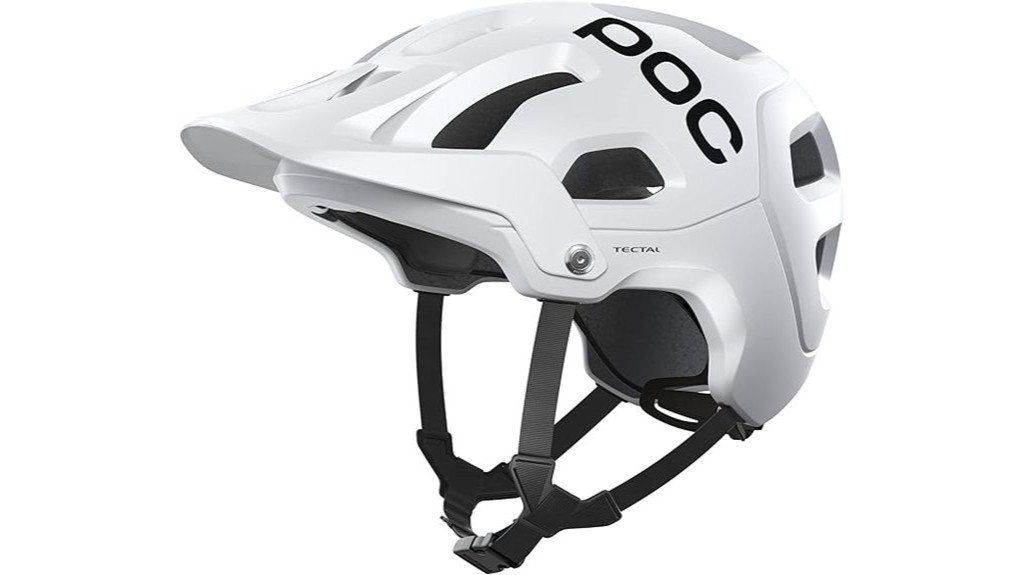
You’ll appreciate the POC Tectal if you ride aggressive trails or rely on an e-bike for longer, faster descents, because it delivers extended coverage around the temples and back of the head without feeling heavy. You get a unibody polycarbonate shell, reinforced EPS liner, and thicker padding where crashes matter most. It’s ventilated, wind-tunnel tested, and weighs about 0.35 kg, so you can wear it all day. The 360° fit system lets you fine-tune comfort, though some users fuss with the clasp. Extras like an adjustable visor, goggle clip, and RECCO reflector add real-world value and safety.
Best For: aggressive trail and enduro riders — including e-bike users — who want extended head protection and all-day comfort without extra weight.
Pros:
- Extended coverage at temples and rear with reinforced EPS and unibody PC shell for enhanced crash protection.
- Lightweight (≈0.35 kg), ventilated, and wind-tunnel tested for comfortable all-day wear.
- Features like 360° fit adjustment, adjustable visor, goggle clip, and integrated RECCO reflector add fit, convenience, and safety.
Cons:
- Some users report the clasp requires frequent readjustment.
- Size availability limited (example: M/55–58); fit may not suit all head shapes.
- Premium features and build may come at a higher price point compared with basic trail helmets.
SMITH Payroll EBike Helmet with MIPS Technology for Adults
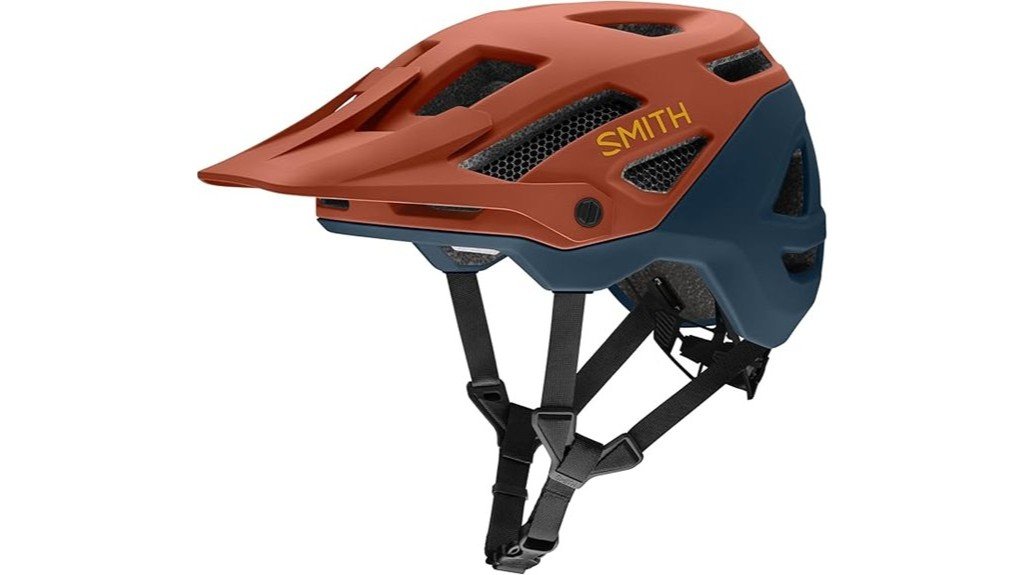
If you ride fast on trails or commute on an e-MTB, the SMITH Payroll with MIPS is a top pick because it’s e-bike certified and built to handle higher-speed impacts that normal bike helmets aren’t tested for. You’ll appreciate its Zonal Koroyd panels that absorb energy while keeping weight down — the helmet is about 0.6 kg — and MIPS adds rotational-impact protection. Fit is easy with the VaporFit dial offering 270-degree adjustment, and the three-position visor stores glasses. Nineteen vents plus AirEvac cut fog, though some riders mention strap comfort and fiddly adjustments. Overall, protection and comfort earn strong reviews.
Best For: Riders who tackle fast trail or e-MTB riding and want an e-bike certified helmet that balances high-speed impact protection, low weight, and good ventilation.
Pros:
- E-bike certified with MIPS and Zonal Koroyd for enhanced multi-impact and rotational protection.
- Lightweight (~0.6 kg) with VaporFit 270° dial and three-position visor for a secure, adjustable fit and glasses storage.
- Nineteen vents plus AirEvac reduce fogging and provide consistent airflow for long rides.
Cons:
- Some users report the chin straps can be uncomfortable and fiddly to adjust.
- Fit may be borderline for riders near size range edges—try before buying if possible.
- Limited color/size availability listed (example: Matte Black, Medium) and relatively high best-seller ranks in broad categories.
AXEL OFF ROAD Adult Trail DOT Helmet
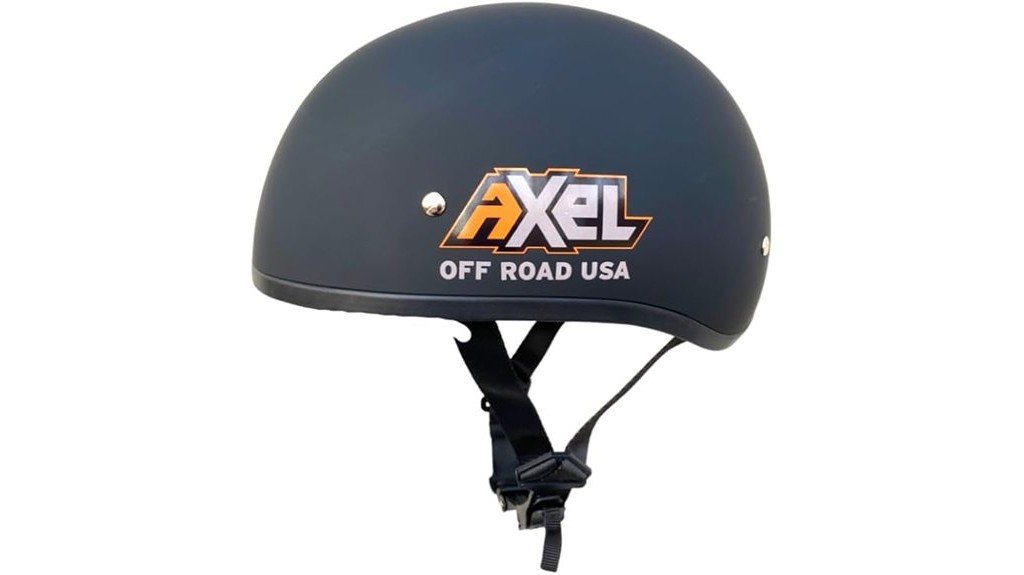
For riders who want a straightforward, no-fuss helmet for off-road e-bike or UTV adventures, the AXEL OFF ROAD Adult Trail DOT Helmet is a solid choice—think of it as the practical companion that keeps you protected without weighing you down. You’ll appreciate its low-profile ABS shell, EPS liner, and DOT certification that together offer reliable protection. The helmet is lightweight with a soft liner to reduce neck strain on long rides, and vents keep you cool even at lower speeds. Adjustable chin strap and quick-release buckle make fit simple, and matte black styling stays clean and understated.
Best For: Riders seeking a lightweight, no-frills DOT-certified helmet for off-road e-bike, UTV, ATV, or buggy use who prioritize comfort, ventilation, and a low-profile design.
Pros:
- Lightweight ABS shell with EPS liner provides DOT-certified protection without excessive weight.
- Soft liner and minimalist design reduce neck strain and keep long rides comfortable.
- Good ventilation for lower-speed off-road use plus an adjustable chin strap with quick-release buckle for an easy, secure fit.
Cons:
- Basic styling and features may lack advanced protections (e.g., MIPS) or extras found on higher-end helmets.
- Limited customer review data and relatively low best-seller rank, so long-term performance and fit consistency are less documented.
- Matte black, single-color option may not suit riders wanting more color or reflective/visibility features.
Factors to Consider When Choosing E-Bike Helmets 2025
When you pick an e-bike helmet, you’ll want to check safety standards and the helmet’s impact protection systems so you know it can really protect you. Make sure it fits snugly and adjusts easily, since a good fit plus proper ventilation keeps you comfortable on long rides. Also look for helmets with visible colors or built-in lights to boost your visibility and keep you safer in traffic.
Safety Standards Compliance
Because e-bikes can reach higher speeds and deal with different forces than regular bikes, you’ll want a helmet that’s been tested and certified for those risks. Look for recognized marks like CPSC, CE EN 1078, or NTA-8776 on the label; they show the helmet met specific tests for impact and durability. Certified e-bike helmets are tested differently than standard bike models, so they handle higher-energy crashes better. You’ll also want extended coverage around the back and sides, since those areas often take hits in falls. Many helmets include MIPS to cut rotational forces — that’s a smart extra layer of protection. Don’t settle for uncertified gear: compliance matters, and it can make a real difference if you crash.
Impact Protection Systems
You’ve already seen why certified coverage and extra rear protection matter, so next look at how impact protection systems themselves work and what to watch for. You’ll want a helmet with a system like MIPS that lets the shell rotate a bit on impact to cut rotational forces, since that helps reduce certain brain injuries. Check for extended coverage around the back and temples; those areas take a hit more often on e-bikes. Durable construction—think in-mold polycarbonate shells bonded to EPS liners—boosts energy absorption and helmet life. Always confirm CPSC or EN 1078 compliance so the helmet meets real-world impact benchmarks. Finally, consider extras like integrated reflectors or good ventilation, which add safety and comfort for higher-speed e-bike riding.
Fit and Adjustability
Even though helmets look simple, getting the fit right makes a huge difference in both comfort and safety, so take the time to dial it in before you ride. You want a helmet that feels snug without pinching and won’t wobble when you nod or shake your head; that stability matters during a crash. Measure your head circumference and check the brand’s sizing chart, since sizes can vary. Look for adjustable systems—dials, straps, and removable liners—that let you fine-tune fit for your shape and long rides. Make sure the chin strap is easy to tighten and sits comfortably under your jaw; a loose strap can undermine protection. A properly adjusted helmet feels like it belongs to you, not on you.
Ventilation and Cooling
A helmet that fits well won’t help much if you’re sweating through it on a hot ride, so next look at ventilation and cooling. You want helmets with generous vent ports and internal airflow channels that move air across your head, cutting sweat and keeping you more comfortable on longer trips. Models tested in wind tunnels usually perform better, so check those results if you ride fast or for hours. An adjustable visor can boost cooling by directing breeze or shading your face when needed, giving you control without sacrificing comfort. Think about how much heat you normally generate, where you ride, and whether vents line up with your hair or glasses; the right airflow design makes a big difference.
Visibility and Lighting
Visibility matters more than you might think when you’re riding an e-bike, because cars and pedestrians often don’t expect the speed and silence of these bikes. Pick a helmet with integrated reflective panels so drivers spot you in low light, and choose bright, high-contrast colors that stand out against urban backdrops at dusk. Look for models with built-in LEDs or slots for attaching lights — they add active illumination and make you unmistakable at intersections. Some helmets include a RECCO reflector, which can help rescuers find you after a crash, and that peace of mind is worth noting. Finally, keep reflective surfaces clean and test lights regularly; a dirty reflector or dead LED defeats the purpose.
FAQ
Are These Helmets Compatible With Motorcycle-Style Full-Face Conversion Kits?
1. Can I use a motorcycle-style full-face conversion kit on my e-bike helmet?
No, motorcycle-style full-face conversion kits are not compatible with e-bike helmets designed for cycling.
2. Why can’t I fit a full-face conversion kit to my e-bike helmet?
E-bike helmets do not meet the necessary impact, retention, or ventilation requirements for safe use with motorcycle-style kits.
3. What happens if I install a conversion kit on a cycling helmet?
Installing a conversion kit may void the helmet’s certification, increasing the risk of injury in an accident.
4. Are all e-bike helmets unsuitable for conversion kits?
Yes, e-bike helmets specifically designed for cycling generally cannot accommodate motorcycle-style conversion kits safely.
5. What are the safety risks of using a conversion kit on a cycling helmet?
Using a conversion kit can compromise the helmet’s structural integrity and effectiveness, leading to potential head injuries.
6. Do e-bike helmets have different safety standards than motorcycle helmets?
Yes, e-bike helmets are rated under different safety standards than motorcycle helmets, making them unsuitable for conversion.
7. What should I look for in a helmet for motorcycle use?
Look for helmets specifically certified for motorcycle use, ensuring they meet all necessary safety standards for impact and retention.
8. Can a full-face helmet be converted for e-bike use?
While some full-face helmets may be suitable for both activities, modifications should be avoided unless confirmed safe by the manufacturer.
9. What is the main function of a full-face conversion kit?
A full-face conversion kit is designed to enhance protection and coverage for riders, but it must be used with compatible helmets.
10. Is there a legal implication for using an incompatible helmet?
Yes, using an incompatible helmet may not only affect your safety but could also have legal repercussions in the event of an accident.
Can Any of These Helmets Be Fitted With a Bluetooth Intercom?
1. Can I install a Bluetooth intercom on any helmet?
Most helmets can be fitted with a Bluetooth intercom, especially those with flat surfaces or removable liners for speakers.
2. What should I check before buying a Bluetooth intercom for my helmet?
You should verify model compatibility, available mounting options, and the helmet’s waterproofing features before making a purchase.
3. Are there specific helmets that work better with Bluetooth intercoms?
While many helmets are compatible, it’s best to research specific models known for their compatibility with Bluetooth intercoms.
4. Do I need special tools to install a Bluetooth intercom on my helmet?
Installation generally requires basic tools, but specific requirements may vary based on the intercom model and helmet design.
5. How do I determine the right Bluetooth intercom for my helmet?
Check the manufacturer’s guidelines for both the helmet and the intercom, focusing on compatibility and any recommended models.
6. Will adding a Bluetooth intercom affect my helmet’s safety?
If installed correctly, a Bluetooth intercom should not compromise the helmet’s safety features. Ensure the installation does not interfere with the helmet’s structural integrity.
7. Are Bluetooth intercoms waterproof?
Many Bluetooth intercoms are designed to be waterproof or water-resistant, but it’s essential to confirm this feature before purchasing.
8. Can I use any Bluetooth intercom with any helmet?
Not all Bluetooth intercoms are compatible with every helmet. Always check the specifications for both the intercom and helmet for compatibility.
9. What features should I look for in a Bluetooth intercom?
Look for features such as range, battery life, ease of installation, and audio quality to ensure it meets your needs.
10. Is professional installation recommended for Bluetooth intercoms?
While many users can install Bluetooth intercoms themselves, professional installation can ensure proper fitting and functionality, especially for complex setups.
Do Any Models Offer Crash Replacement or Warranty Extensions?
1. Do any helmet models offer crash replacement?
Yes, some helmet models do provide crash replacement options for customers who register their helmets and keep proof of purchase.
2. Is a warranty extension available for helmets?
Certain helmet models offer warranty extensions, enhancing the coverage beyond the standard period.
3. What do I need to do to qualify for crash replacement?
To qualify for crash replacement, you must register your helmet and retain the original proof of purchase.
4. Are there fees associated with warranty extensions?
Yes, some manufacturers may charge fees for warranty extensions, so it’s essential to review the specific terms from the manufacturer.
5. How long is the coverage for crash replacement?
The coverage length for crash replacement varies by manufacturer, so it’s advisable to check the specific terms associated with your helmet model.
6. Are inspections required for warranty extensions?
Certain manufacturers may require inspections to validate warranty extensions, so it’s important to clarify this when registering your helmet.
7. Can I get a crash replacement for any type of damage?
Crash replacement typically applies only to damage sustained during an impact, so other types of damage may not be covered.
8. Where can I find the manufacturer’s terms for warranty and crash replacement?
You can find the manufacturer’s terms regarding warranty and crash replacement on their official website or in the documentation that comes with the helmet.
9. What happens if I lose my proof of purchase?
If you lose your proof of purchase, you may not be eligible for crash replacement or warranty extension, so it’s crucial to keep it safe.
10. Are all helmet brands the same regarding warranty and crash replacement?
No, warranty and crash replacement policies vary by brand and model, so it’s important to check the specific details for the helmet you are considering.
Which Helmets Are Best for Cargo or Delivery E-Bike Riders?
1. What is MIPS and why is it important for cargo E-bike helmets?
MIPS stands for Multi-directional Impact Protection System. It reduces rotational forces during impacts, providing better protection for riders, particularly in urban environments.
2. Why should I look for helmets with extended rear coverage?
Extended rear coverage offers additional protection to the back of the head, which is crucial for cargo or delivery riders who may be at higher risk in accidents.
3. How does ventilation affect helmet comfort for delivery E-bike riders?
Good ventilation helps keep riders cool and comfortable during long rides, particularly in urban settings where they may be exposed to heat while pedaling.
4. Are integrated lights beneficial for cargo E-bike helmets?
Yes, integrated lights enhance visibility and safety during low-light conditions, making it easier for other road users to see you while delivering.
5. What should I consider when looking for a helmet’s fit?
A proper fit should feel snug without being uncomfortable, with adjustable straps that ensure the helmet remains securely in place while riding.
6. How important is comfort in choosing a helmet for delivery riding?
Comfort is essential, as riders may wear helmets for extended periods. A comfortable helmet minimizes distractions and allows for better focus on the road.
7. What types of warranties should I look for in a helmet?
Look for helmets that offer serviceable warranties, which indicate the manufacturer’s confidence in their product’s durability and performance.
8. Are there specific helmet models designed for urban commuting?
Yes, many brands offer urban commuter helmets that incorporate safety features tailored for city riding, including MIPS technology and enhanced visibility.
9. What features should I prioritize for cargo-specific helmets?
In addition to safety features like MIPS, prioritize helmets with a secure fit, comfort, and added visibility features, as cargo riders often navigate busy traffic.
10. How can I ensure my helmet lasts long?
To prolong the life of your helmet, store it in a cool, dry place, avoid dropping it, and replace it after any significant impact or if it shows signs of wear.
Are Any of These Helmets Approved for Shared E-Scooter or Rental Program Use?
1. Are all helmets suitable for shared e-scooter or rental programs?
No, not all helmets are approved for shared e-scooter or rental programs. Only specific models that meet certain certification standards can be used.
2. What certifications should I look for in a helmet for rental programs?
Look for helmets that have CPSC or EN 1078 certifications. These certifications ensure that the helmets meet safety standards required for rental use.
3. Do rental programs have specific requirements for helmets?
Yes, rental programs may have additional requirements like sanitation-friendly or lockable features. It’s important to check the specific rules of each program.
4. How can I verify if a helmet is approved for rental use?
You can verify a helmet’s approval by checking its certification labels and the rental program’s guidelines. Always refer to the operator’s rules for the most accurate information.
5. Are there additional safety features recommended for rental helmets?
Yes, some rental programs may recommend helmets with features that enhance hygiene and security, such as removable liners for easy cleaning or built-in locks.
6. Can I use my personal helmet for shared e-scooter rentals?
You can use your personal helmet as long as it meets the necessary certification standards. Always ensure it complies with the specific rental program’s rules.
7. Where can I find information on helmet certifications?
Information on helmet certifications can be found on the manufacturer’s website or packaging. Additionally, safety organizations often provide guidelines on recognized certifications.
8. What happens if I use a non-approved helmet for rental programs?
Using a non-approved helmet may lead to safety risks and could result in penalties from the rental program. It’s crucial to comply with their requirements to ensure safety.
9. Are rental programs responsible for helmet sanitation?
Many rental programs take sanitation seriously and may implement cleaning protocols for helmets. However, it’s also advisable for users to check the helmet’s condition before use.
10. What should I do if I can’t find a helmet that meets the requirements?
If you can’t find a helmet that meets the requirements, consider purchasing one that is certified. Alternatively, some rental programs may provide helmets that comply with safety standards.
Final Thoughts
When it comes to choosing the right e-bike helmet, prioritize safety, comfort, and style. Opt for a helmet that fits your head snugly, matches your riding speed, and aligns with your budget. If you’re tackling high speeds or off-road terrain, helmets featuring MIPS technology or extended coverage are non-negotiable. Don’t compromise on fit, ventilation, or certification; these factors are crucial for your daily riding comfort. I recommend trying on models like the Mainframe or Tectal in person to find the right fit. And remember, never skimp on helmet replacement after any impact—your head deserves the best protection. Stay safe out there and enjoy every ride.