How Much Power Do You Need on an Emtb?
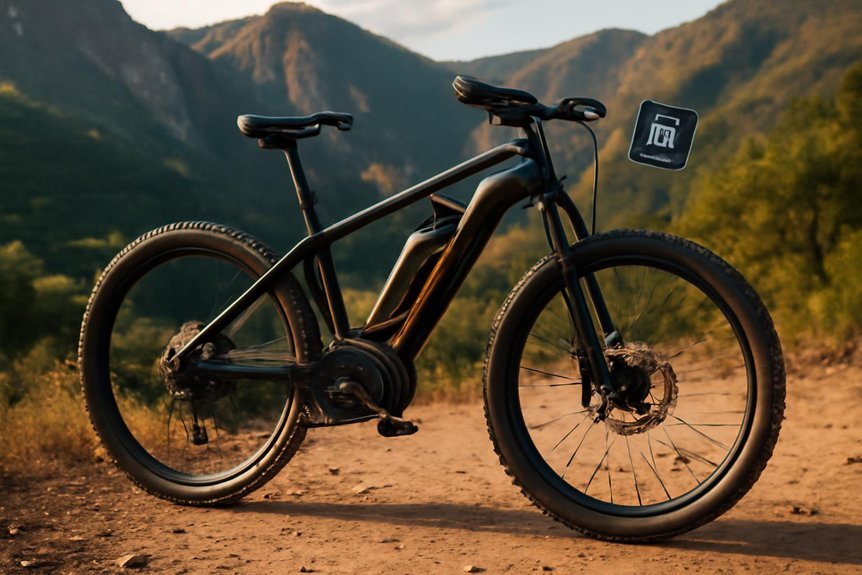
Choosing the right power for your e-mountain bike can feel like standing at a crossroads, each path leading to a different adventure. Picture this: you’re gearing up for a weekend ride with friends, excitement buzzing in the air. The plan? A challenging trail with steep climbs and breathtaking views. Suddenly, you realize that the power of your bike’s motor could make or break that experience.
If you’re like me, you’ve probably had that moment of doubt before. As you look up at that daunting hill, you might think back to the times you struggled on your regular bike, panting and wishing for just a bit more oomph. In those moments, a motor with a higher wattage could be a game changer, giving you the boost you need to conquer those steep slopes and keep up with your more experienced friends.
On the flip side, imagine a sunny afternoon, gliding along a gentle trail with the wind in your hair, the world around you a blur of green. In that scenario, a less powerful motor can feel just right. It allows you to enjoy the ride without feeling like you’re revving a race car, making every pedal stroke feel effortless.
So, as you ponder your options, think about the types of rides you envision. Do you crave the thrill of climbing mountains, or do you prefer the serenity of easy paths? Each choice opens a door to a different kind of adventure. Let’s dive deeper and find the perfect power for your e-mountain biking journey!
Understanding Emtb Power Ratings
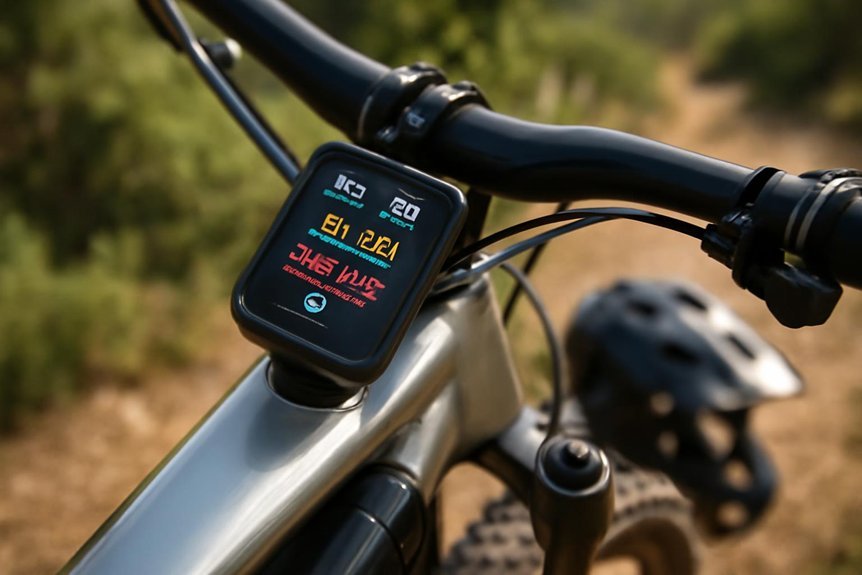
Have you ever wondered what those power ratings on emtbs really mean? It’s pretty simple, actually! The power rating shows how much energy the motor can deliver. You’ll see it measured in watts, and higher numbers usually mean more power. This means you can tackle steeper hills and rougher trails with ease.
But don’t just focus on the watts! It’s also important to evaluate how the motor feels when you ride. Some motors deliver power differently, which affects your overall experience. Think of it like choosing a superhero—some are super strong, while others are quick and agile.
Understanding these ratings helps you find the e-mountain bike that fits your riding style and needs, so you can enjoy every adventure!
The Role of Motor Wattage
When it comes to choosing an e-mountain bike, motor wattage plays a crucial role in your riding experience. The wattage of the motor directly affects how much power you can access while tackling tough trails.
If you’re planning to ride steep hills or tackle rough terrain, a higher wattage, like 750 watts, can give you that extra boost you need. It means less struggle and more fun!
On the other hand, if you’re sticking to flat paths or easy trails, a lower wattage might be sufficient. Just remember, more power can mean more weight, so find a balance that suits your style.
Ultimately, you’ll want a motor that matches your riding goals and keeps that adventure spirit alive!
Battery Capacity: What You Need to Know
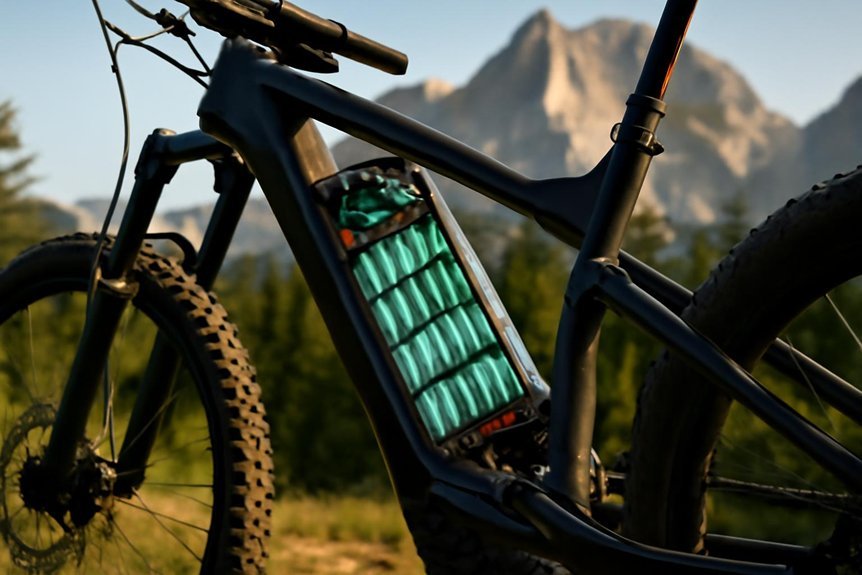
So, how do you know what battery capacity you need for your e-mountain bike?
First, think about how long you plan to ride. If you’re hitting the trails for a few hours, a bigger battery, like 500Wh or more, will keep you going strong.
Next, consider the type of terrain you’ll tackle. Steep hills and rough paths drain batteries faster, so a higher capacity is a smart choice.
Also, your riding style matters; if you love to zoom around, you’ll need more power.
Finally, don’t forget to check the weight of the bike and battery, as heavier setups can affect how much fun you have.
Choose wisely, and you’ll be cruising those trails with ease!
Torque and Its Impact on Performance
Battery capacity is just one part of the e-mountain biking equation; torque plays a big role too.
Torque is the force that helps your bike accelerate and climb steep hills. When you pedal, the motor delivers torque to the wheels, giving you that extra push you need. If you’ve ever struggled to get up a hill, you’ll know how important this is!
Higher torque means better performance, especially on challenging trails. It helps you tackle tough terrains without feeling like you’re pulling a heavy anchor.
Terrain Types and Power Requirements
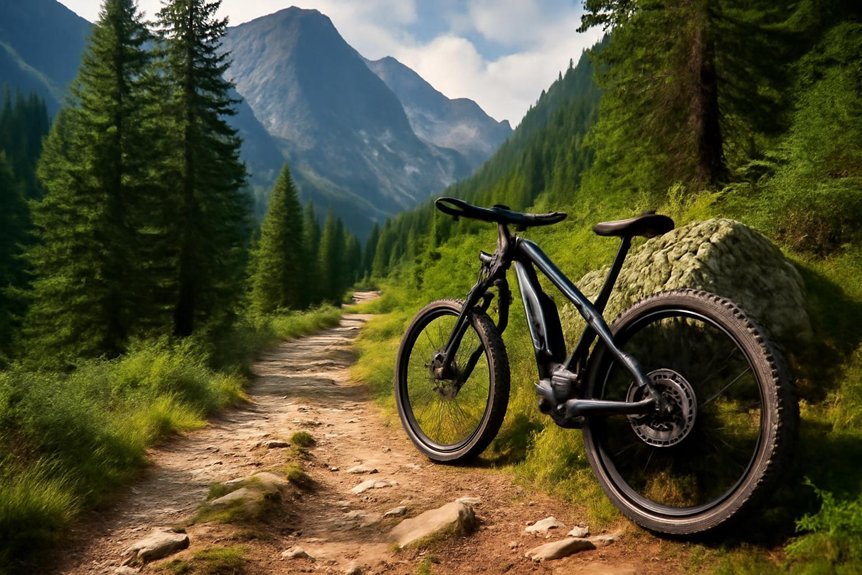
Whether you’re cruising down a smooth path or tackling a rocky ascent, the type of terrain you ride on can really change how much power you need from your e-mountain bike.
On flat and well-maintained trails, you won’t need as much power, so a bike with a moderate motor can do the trick.
However, if you’re climbing steep hills or maneuvering through rough, uneven surfaces, you’ll want more power to help you conquer those challenges.
Think of it like using a stronger gear when riding uphill; it makes a big difference!
So, when choosing your e-MTB, consider where you’ll be riding most often.
Picking the right power can turn a tough ride into an enjoyable adventure!
Riding Styles: Trail, Enduro, and More
When you hop on your e-mountain bike, the riding style you choose can make a huge difference in how much power you’ll need.
If you’re hitting the trails for some casual rides, you mightn’t need as much power. But if you’re racing down steep enduro tracks, you’ll want a little extra boost to tackle those climbs and descents.
Different styles call for different power levels. Trail riders often enjoy a balanced approach, while enduro enthusiasts crave more punch to get over challenging obstacles.
Weight Considerations for Power Needs
As you gear up to ride your e-mountain bike, it’s important to think about your weight and how it affects your power needs.
If you weigh more, you’ll likely need a motor with a bit more oomph to tackle hills and rough terrain. After all, gravity isn’t a fan of heavyweights!
Conversely, if you’re lighter, a smaller motor might be just fine for your adventures.
Don’t forget, your gear and any backpack weight can add up too. So, consider all the extra stuff you might carry along, like snacks or water.
Balancing your weight with the bike’s power can enhance your ride experience, making climbs easier and keeping your energy up.
Happy riding!
Personal Preferences and Riding Comfort
Finding the right power for your e-mountain bike isn’t just about numbers; it’s also about how you like to ride.
Do you prefer zipping up steep hills with ease, or do you enjoy a more leisurely pace? If you crave speed and excitement, a powerful motor will definitely amp up your adventures.
On the other hand, if you’re all about enjoying the scenery, a lower power option might suit you just fine. Comfort plays a big role too. A bike that feels good under you can make all the difference in your ride.
Consider your favorite trails and how much effort you’re willing to put in. Ultimately, it’s about finding the perfect balance between power, comfort, and your personal riding style.
Future Trends in Emtb Power Technology
Power technology in e-mountain bikes is rapidly evolving, and that’s exciting news for riders like you. As battery technology improves, you’ll find lighter and longer-lasting options that let you ride harder and farther.
Plus, advancements in motors mean you can expect smoother power delivery and better torque, making tough climbs feel like a breeze. Imagine zipping up hills without breaking a sweat!
Smart technology is also on the rise, with features like customizable power settings that adapt to your riding style. This means you can save battery life for when you really need it.
With these trends, your e-mtb experience will only get better, pushing you to explore new trails and conquer more challenging terrains!
FAQ
How Do I Choose the Right Motor for My Emtb?
FAQ: How Do I Choose the Right Motor for My eMTB?
1. What should I consider regarding my riding style when selecting a motor?
Your riding style will determine the power and responsiveness you need. If you enjoy aggressive trails, opt for a more powerful motor; for casual rides, a mid-range option may suffice.
2. How does terrain influence my motor choice?
Different terrains require varying levels of power and torque. Steep, rugged trails may need a high-torque motor, while flatter paths can work well with lower power options.
3. Why is desired speed important in motor selection?
Desired speed affects the motor’s specifications and performance characteristics. If you aim for higher speeds, choose a motor designed for speed and efficiency.
4. How does my fitness level impact my motor choice?
Your fitness level should align with the motor’s power output. If you’re less experienced or have lower fitness, a motor with adjustable power levels can help you build confidence.
5. What is the importance of power and efficiency balance?
A balance between power and efficiency ensures you can ride longer distances without draining the battery. Selecting a motor that matches this balance can enhance your overall riding experience.
6. Are there specific motor brands I should consider?
Yes, certain brands are known for their reliability and performance in eMTB motors, such as Bosch, Shimano, and Brose. Researching brand reputation can guide your decision.
7. How can I determine the right wattage for my motor?
Wattage indicates the motor’s power output; higher wattage usually means better performance on steep terrain. For general riding, motors between 250W and 750W are common.
8. What role does battery capacity play in motor selection?
Battery capacity affects how long you can ride before needing a recharge. Match the motor’s power with a suitable battery capacity for your intended riding duration.
9. Should I prioritize weight when choosing a motor?
Yes, motor weight can impact the overall weight of your eMTB. A lighter motor can enhance handling and performance, especially on technical trails.
10. What features should I look for in a motor?
Look for features like torque sensors, programmable settings, and various assist levels. These features can provide a more tailored riding experience based on your needs.
Can I Upgrade My Emtb Battery Later?
1. Can I upgrade my eMTB battery after purchase?
Yes, you can upgrade your eMTB battery later.
2. What should I check before upgrading my eMTB battery?
Ensure that the new battery is compatible with your bike’s motor and wiring.
3. Where can I find information about battery compatibility?
Check with your bike’s manufacturer for specifications or consult a professional.
4. Is professional installation necessary for a battery upgrade?
While you might attempt it yourself, professional installation is recommended to ensure proper performance.
5. What happens if I choose an incompatible battery?
Using an incompatible battery can lead to performance issues or damage to your eMTB.
6. Are there specific brands I should consider for eMTB batteries?
Stick to brands recommended by your bike’s manufacturer for the best results.
7. Can I upgrade to a higher capacity battery?
Yes, as long as it fits the compatibility requirements of your motor and wiring.
8. Will upgrading my battery improve my eMTB’s performance?
A higher capacity battery can enhance your bike’s range and overall performance if compatible.
9. Does upgrading the battery void my warranty?
Check with your manufacturer, as some upgrades may affect your warranty status.
10. How can I ensure the new battery is installed correctly?
Consider having a professional perform the installation to avoid potential issues.
What Maintenance Is Required for Emtb Power Systems?
FAQ 1: How often should I check the battery connections on my eMTB?
It’s advisable to check battery connections regularly, ideally before each ride. This ensures a secure connection and optimal performance.
FAQ 2: What should I do if I notice corrosion on the battery contacts?
If you find corrosion, clean the contacts gently with a soft brush or cloth. Ensure that the battery is disconnected while you clean to avoid any electrical issues.
FAQ 3: How can I ensure my eMTB battery is charged properly?
Follow the manufacturer’s guidelines for charging times and methods. Avoid overcharging, as it can degrade battery performance over time.
FAQ 4: What signs should I look for regarding wiring wear?
Inspect wiring for frays, cracks, or exposed conductors. Any visible damage should be addressed immediately to prevent electrical failures.
FAQ 5: How do I know if my eMTB motor is functioning properly?
Monitor the motor for unusual noises, such as grinding or clicking, as well as any performance drops. If you notice these issues, it may require further inspection or servicing.
FAQ 6: Is it necessary to clean the battery contacts regularly?
Yes, regular cleaning of battery contacts helps maintain a good connection and prevents performance issues caused by dirt or debris buildup.
FAQ 7: What maintenance should I perform on the eMTB motor?
Regularly inspect the motor for any signs of wear and ensure that it is free from dirt and debris. Keeping it clean helps maintain efficiency and longevity.
FAQ 8: How can I check for battery performance issues?
Pay attention to how long the battery lasts during rides and any fluctuations in power delivery. Significant drops in performance may indicate a need for battery replacement.
FAQ 9: Should I be concerned about battery temperature during charging?
Yes, monitor the battery temperature during charging; it should not become excessively hot. If it does, this could indicate a problem with the battery or charger.
FAQ 10: What should I do if I hear strange noises coming from my eMTB?
Investigate any unusual noises immediately, as they could indicate a mechanical issue. If you’re unsure of the source, consult a professional for a thorough inspection.
How Does Weather Affect Emtb Power Performance?
1. How does cold weather affect eMTB battery efficiency?
Cold temperatures can significantly reduce battery efficiency, leading to decreased power output and shorter ride times.
2. What impact do wet conditions have on eMTB performance?
Wet conditions can increase drag and reduce traction, which affects the overall handling and speed of the eMTB.
3. Should I change my riding style in different weather conditions?
Yes, adjusting your riding style according to the weather can enhance performance and safety on your eMTB.
4. What temperature range is ideal for eMTB performance?
Moderate temperatures are typically best for eMTB performance, as they help maintain battery efficiency and optimal traction.
5. Are there any precautions to take when riding in the cold?
Riders should ensure their battery is fully charged and consider using insulation for the battery to maintain its performance in cold weather.
6. How does humidity affect eMTB riding?
High humidity can lead to slippery trails and reduced grip, necessitating careful handling and possibly slower speeds.
7. Does rain affect the maintenance of my eMTB?
Yes, riding in the rain can introduce moisture into the components, so regular maintenance and checks are essential to keep your eMTB in good condition.
8. What should I do if it starts raining during my ride?
If it starts to rain, slow down, maintain distance from other riders, and be cautious on slippery surfaces to ensure safety and control.
9. Can wind impact my eMTB performance?
Yes, strong winds can affect your speed and stability, particularly on open trails, and may require adjustments in riding technique.
10. Is it safe to ride an eMTB in extreme weather conditions?
Riding in extreme weather conditions, such as heavy rain or snow, can be dangerous and is generally not recommended due to increased risks of accidents.
Are There Specific Brands Known for Better Emtb Power?
1. Which brands are recognized for their eMTB power systems?
Bosch, Shimano, and Brose are among the top brands known for their eMTB power systems.
2. What makes Bosch eMTB systems stand out?
Bosch is known for its reliable performance and advanced technology, ensuring a smooth riding experience.
3. How does Shimano contribute to eMTB power?
Shimano offers efficient battery management solutions that enhance the overall performance of electric mountain bikes.
4. What benefits do Brose eMTB systems provide?
Brose systems are appreciated for their compact design and high torque, offering a powerful boost for challenging terrains.
5. Are there differences in power output between these brands?
Yes, each brand has its specifications, with variations in power output and torque levels tailored for different riding styles.
6. Do these brands offer customizable settings for eMTBs?
Many brands, including Bosch and Shimano, provide customizable settings to adjust the power delivery based on rider preferences.
7. How important is battery management in eMTB systems?
Efficient battery management is crucial for maximizing range and performance, allowing riders to enjoy longer rides without frequent recharges.
8. Can I expect consistent performance from these brands?
Yes, brands like Bosch, Shimano, and Brose are known for their consistent performance, making them trusted choices for eMTB enthusiasts.
9. Do these brands have a good reputation among eMTB riders?
Absolutely, they are well-regarded in the eMTB community for their innovation and reliable power systems.
10. Are there any other brands worth considering for eMTB power?
While Bosch, Shimano, and Brose are prominent, other brands like Yamaha and Panasonic also offer competitive eMTB systems worth exploring.
Final Thoughts
Choosing the right power for your e-mountain bike is all about knowing your needs. If you’re tackling steep hills, a powerful motor can be your best friend. But if you prefer cruising on flat trails, you might not need as much. Remember, factors like battery capacity and your riding style play a big role too. So, think about what you want from your rides, and you’ll find the perfect emtb power to keep your adventures thrilling and fun!