
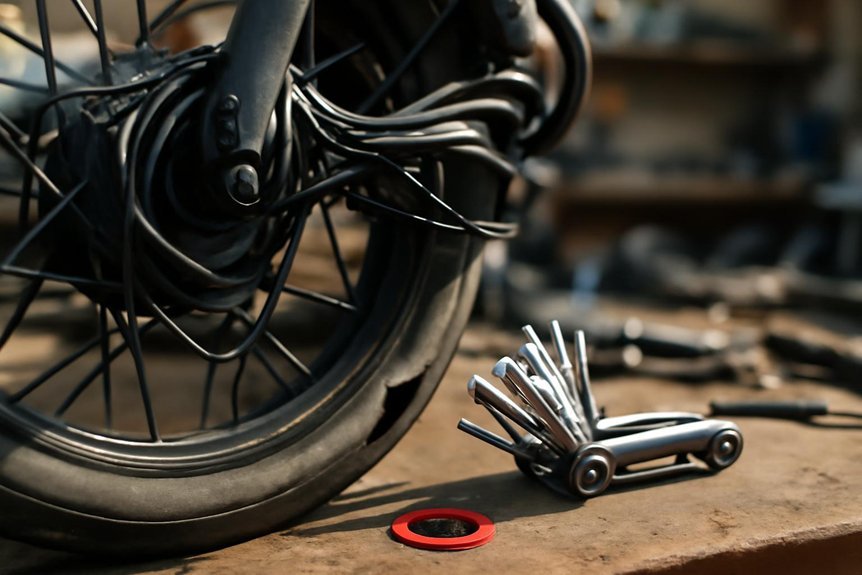
Common E-Bike Problems & Fixes
If you own an e-bike, you know the thrill of feeling the wind in your hair as you zip along the trails. But there are those days when the ride doesn’t go quite as planned. Picture this: you’re all geared up, ready to tackle your favorite route, only to find that your battery won’t charge. It’s like preparing for a picnic only to discover you forgot the basket! Or maybe you’re cruising down the street when suddenly, you hear that dreaded hissing sound—a flat tire that puts a swift end to your adventure.
But hey, don’t let these hiccups get you down! Many e-bike riders face similar challenges, and the good news is that most of these issues have surprisingly straightforward solutions. Whether it’s checking connections on your battery or learning how to patch up a tire, there’s a fix for almost every problem. So, let’s dive into some of these common e-bike woes and discover how to keep your ride in top shape, ensuring that the next time you hit the road, it’s nothing but smooth sailing!
Battery Not Charging
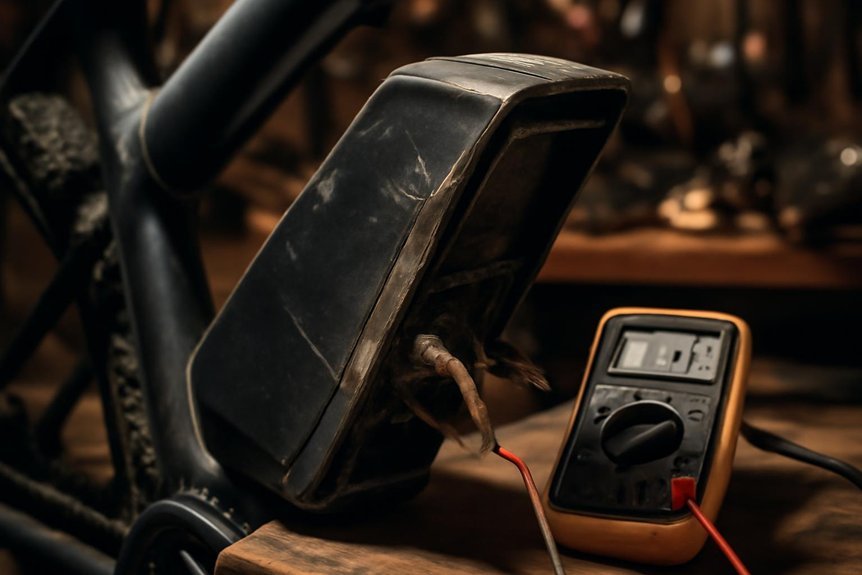
If your e-bike’s battery isn’t charging, don’t panic just yet!
First, check your charger. Is it plugged in? Sometimes, it’s the simplest things that trip us up.
Next, inspect the battery connections. Dust or dirt can cause issues, so give it a quick clean.
If you’ve got a removable battery, take it out and look for any signs of damage. A little TLC can go a long way!
Also, check the battery’s age; if it’s been a while, it might be time for a replacement.
Finally, try charging it in a different outlet, just to rule out any weird electrical issues.
With a little troubleshooting, you’ll be back on the road in no time!
Motor Malfunction
After making sure your battery’s charged up, you might run into another hiccup: a motor malfunction. This can feel frustrating, especially when you’re ready to zoom down the street.
If your motor isn’t responding or making odd noises, it’s time to check a few things. First, look for loose connections or frayed wires. Sometimes, a simple wiggle can solve the problem!
If that doesn’t work, inspect the motor itself for any visible damage. You might also want to reset your e-bike’s system, which can often clear up minor glitches.
If everything looks good but the motor still won’t cooperate, it’s best to consult a professional. Don’t worry, with a little troubleshooting, you’ll be back on the road soon!
Flat Tires
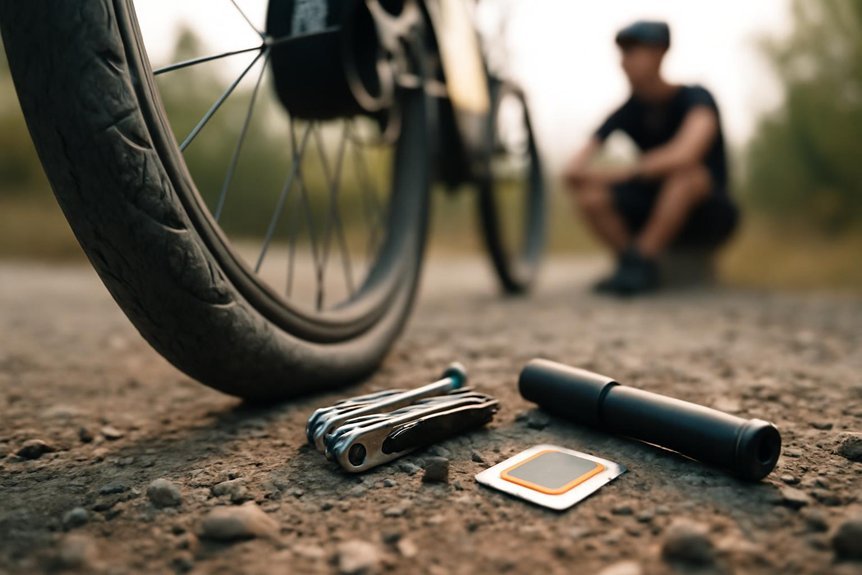
Nothing puts a damper on your e-bike adventure quite like a flat tire. It can happen to anyone, and trust me, it’s not the end of the world!
First, check for punctures or leaks. If you find one, you’ll need a patch kit or a new tube. Don’t forget to bring a pump or CO2 canister along for your rides.
When you’re ready to fix it, remove the wheel and take out the tire. Carefully inspect both the tire and rim for any sharp objects.
Once you’ve made the repairs, reassemble everything and inflate to the recommended pressure. Remember, keeping your tires properly inflated can help prevent flats in the first place.
Now, get back on that bike and ride!
Brake Issues
When you’re cruising down the trail on your e-bike, the last thing you want is for your brakes to act up. If you notice squeaking or grinding sounds, it’s time to check the brake pads. Worn-out pads can seriously affect your stopping power. Just replace them, and you’ll be back to smooth rides in no time.
Also, check your brake cables; if they’re loose, your brakes won’t work effectively. Tightening them can help restore that confident grip.
Sometimes, dirt or debris can sneak in and cause issues. A quick clean with a damp cloth can make a big difference.
Display Errors
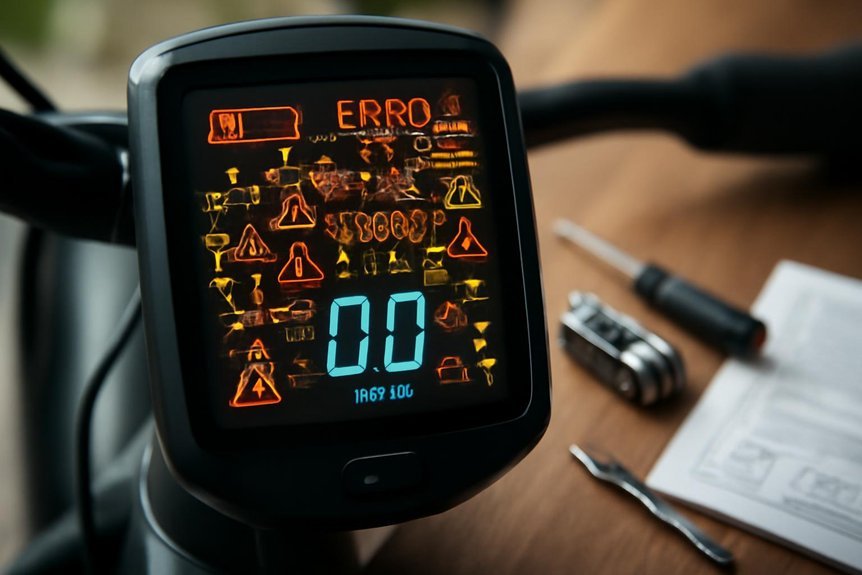
E-bikes are amazing, but they can throw a curveball when their displays start acting weird. If your display’s flickering, showing odd symbols, or freezing, don’t panic!
First, check the connections; sometimes, wires get loose or dirty. A quick clean can do wonders.
Next, try resetting the display by turning it off and back on. If that doesn’t work, consult your user manual. It might’ve specific troubleshooting tips for your model.
In some cases, a firmware update could be the fix you need. Just like your smartphone, e-bikes sometimes need a little software love!
If problems persist, it might be time to reach out to a pro. Keeping your display in check guarantees smooth rides ahead!
Worn-Out Components
Even the best e-bikes can face issues as their components wear out over time.
You might notice that the brakes feel less responsive, or the battery doesn’t hold a charge like it used to. Worn-out tires can lead to a bumpy ride and make you feel like you’re cycling on a rocky road.
Check your pedals too; if they’re squeaking or wobbling, it’s time for a replacement. Regular maintenance can help prevent these problems, but eventually, everything wears down.
Don’t let worn-out parts ruin your ride! Keep an eye on your e-bike’s components, and don’t hesitate to replace them.
After all, your e-bike deserves the best care, just like you do!
Chain Problems
While you’re cruising around on your e-bike, the last thing you want is for the chain to give you trouble. Chain problems can really put a damper on your ride.
If your chain skips or makes a grinding noise, it might be too loose or worn out. Check it regularly! If you spot rust or grime, give it a good clean and lubricate it to keep things smooth.
Sometimes, you might need to adjust the tension or even replace the chain altogether. Don’t worry; it’s not as scary as it sounds! Just follow the instructions in your e-bike’s manual, and you’ll be back on the road in no time.
Happy riding, and may your chain stay strong!
Overheating
After making sure your chain is in top shape, it’s time to tackle another common issue: overheating.
If your e-bike’s motor or battery gets too hot, it can lead to performance problems or even damage. To prevent this, keep an eye on the weather—hot days can make things worse.
Try to avoid long, steep climbs and give your bike breaks during tough rides. If you notice the motor heating up, slowing down can help cool things down.
Make sure your battery’s ventilation isn’t blocked, too. If you’re charging your e-bike, do it in a cool place to avoid extra heat.
Electrical Shortages
Electrical issues can be a real headache for e-bike riders, and one of the biggest culprits is electrical shortages. These shortages often happen when wires become damaged or connections loosen over time.
If your e-bike suddenly loses power or the lights flicker, it might be a sign of an electrical shortage. Don’t panic! Start by checking the battery connections, making sure they’re snug and clean.
Look for any frayed wires or corrosion, too. If you spot something off, it’s best to replace it before it causes bigger problems.
Software Glitches
Sometimes, your e-bike might feel a little off, and that’s when software glitches can sneak in to spoil the fun. These pesky bugs can cause your display to freeze, your motor to act strange, or even your lights to flicker.
If you notice anything weird, don’t panic! First, try turning your e-bike off and on again—it’s amazing how often this simple move works.
If that doesn’t help, check for software updates from the manufacturer. Keeping your e-bike’s software current can fix many issues.
Finally, if the glitches persist, reach out to your e-bike’s customer support. They’ve got the tools and knowledge to help you get back on the road smoothly.
FAQ
How Can I Improve My E-Bike’s Battery Lifespan?
FAQs on Improving E-Bike Battery Lifespan
1. How should I charge my e-bike battery for optimal lifespan?
Always use the manufacturer-recommended charger and avoid overcharging. It’s best to charge the battery when it drops to around 20-30% capacity.
2. What temperature is best for charging my e-bike battery?
Charge your battery in a cool, dry place, ideally between 32°F and 77°F (0°C to 25°C). Avoid charging in extreme heat or cold, as it can damage the battery.
3. Is it okay to leave my e-bike battery plugged in after it’s fully charged?
No, leaving the battery plugged in can lead to overcharging and reduce its lifespan. Disconnect the charger once it reaches full charge.
4. How should I store my e-bike battery when not in use?
Store the battery at about 50% capacity to prevent it from becoming over-discharged or overcharged. Keep it in a cool, dry place away from direct sunlight.
5. Does riding my e-bike regularly help the battery?
Yes, regular cycling helps maintain the battery’s health. It keeps the battery active and can enhance its overall performance.
6. What should I avoid to extend my e-bike battery’s life?
Avoid exposing the battery to extreme temperatures, both hot and cold. Additionally, refrain from letting the battery drop to a very low charge frequently.
7. How often should I charge my e-bike battery?
Charge your battery after each ride, especially if the charge level drops significantly. Regular charging helps maintain battery health.
8. Can I use my e-bike in rainy conditions?
While many e-bikes are water-resistant, it’s best to avoid riding in heavy rain. Water exposure can damage the battery and electrical components.
9. What is the ideal way to discharge my e-bike battery?
Use your e-bike normally until the battery reaches around 20-30% before charging again. This practice helps prolong the battery’s lifespan.
10. Should I perform any maintenance on my e-bike battery?
Regularly check for any signs of damage or swelling in the battery casing. Keeping the battery clean and dry can also help maintain its performance.
11. Is it worth investing in a battery management system for my e-bike?
Yes, a battery management system can help monitor and optimize charging and discharging cycles. It can enhance battery lifespan and performance over time.
What Should I Do if My E-Bike Makes Strange Noises?
FAQs about E-Bike Strange Noises:
1. What should I do first if my e-bike is making strange noises?
Start by checking for any loose components or debris that could be causing the noise. Ensure that all bolts are tightened and that nothing is obstructing the moving parts.
2. How can I identify the source of the noise on my e-bike?
Listen carefully to determine if the noise is coming from the motor, wheels, or other components. Performing a visual inspection can help pinpoint the source.
3. Are there specific parts I should lubricate if my e-bike is noisy?
Focus on lubricating the chain, gears, and any other moving parts that may require maintenance. Regular lubrication can help reduce noise and improve performance.
4. What if I find debris in my e-bike?
Remove any debris you find, particularly around the wheels, brakes, and motor area. This can often resolve noise issues and prevent further damage.
5. How can I tell if my motor is causing the noise?
If the noise increases when you engage the motor or pedal harder, it may be the source. Inspect the motor for any visible damage or loose connections.
6. Is it safe to ride my e-bike if it’s making strange noises?
It’s best to avoid riding your e-bike if unusual noises persist, as they can indicate underlying issues that may compromise safety.
7. What types of noises should I be concerned about?
Pay attention to grinding, rattling, or clunking sounds, as these may indicate mechanical issues. Whirring or humming noises are often normal, especially from the motor.
8. How often should I perform maintenance to prevent noise issues?
Regular maintenance, including checking bolts, lubricating moving parts, and inspecting the motor, should be done every few months or as recommended by the manufacturer.
9. When should I seek professional help for my e-bike?
If you’ve checked all components and the noise persists or worsens, consult a professional mechanic. They can provide a thorough diagnosis and necessary repairs.
10. Can I fix strange noises on my e-bike myself?
Many minor issues can be addressed with basic tools and maintenance, such as tightening bolts and applying lubricant. However, for more complex problems, professional assistance is advisable.
Are There Any Maintenance Tips for E-Bike Tires?
FAQs on E-Bike Tire Maintenance
1. How often should I check my e-bike tires?
It’s important to inspect your e-bike tires regularly, ideally before each ride. This ensures they are properly inflated and free from debris.
2. What should I look for when checking tire inflation?
Check the tire pressure against the manufacturer’s recommended PSI, which is usually printed on the tire sidewall. Proper inflation helps with performance and safety.
3. How can I assess tread wear on my e-bike tires?
Look for visible signs of wear, such as flat spots or reduced tread depth. If the tread is worn down significantly, it may be time for a replacement.
4. Is cleaning necessary for e-bike tires?
Yes, cleaning your tires helps maintain performance by removing dirt and debris that can affect grip and handling. Use a damp cloth and mild detergent for best results.
5. What does rotating tires involve?
Rotating your e-bike tires means switching their positions to ensure even wear. This can extend the lifespan of your tires and improve overall performance.
6. How do I check for punctures in my tires?
Inspect the tires for any visible holes or embedded objects. A thorough examination can help you catch punctures early before they become a bigger issue.
7. What tools do I need for tire maintenance?
Basic tools include a tire pressure gauge, a pump, and a tire lever for easy removal if repairs are needed. Keeping these handy makes maintenance more straightforward.
8. Can I use regular bicycle tires on my e-bike?
It’s recommended to use tires specifically designed for e-bikes, as they are built to handle the additional weight and speed. Using the correct tires ensures safety and performance.
9. What should I do if I find a puncture?
If you discover a puncture, assess the damage. If it’s repairable, use a patch kit or take it to a professional; otherwise, consider replacing the tire.
10. How does tire maintenance affect battery life?
Properly maintained tires can improve efficiency and reduce battery drain. Well-inflated tires provide better rolling resistance, allowing for longer rides on a single charge.
11. Are there any specific signs that indicate it’s time to replace my tires?
Yes, if you notice significant tread wear, frequent flat tires, or visible cracks in the sidewalls, it’s time to consider replacing your e-bike tires for safety and performance.
Can I Ride My E-Bike in the Rain?
1. Can I ride my e-bike in the rain?
Yes, you can ride your e-bike in the rain, but it’s essential to take precautions.
2. What should I avoid while riding my e-bike in the rain?
Avoid deep puddles, as they can potentially damage the electrical components or cause loss of control.
3. How should I care for my e-bike after riding in the rain?
After riding in the rain, check the electrical components for moisture and ensure they are functioning properly.
4. Is it necessary to dry off my e-bike after riding in wet conditions?
Yes, it’s important to dry off your e-bike to prevent rust and corrosion.
5. Where should I store my e-bike after riding in the rain?
Store your e-bike in a sheltered area to protect it from further moisture exposure.
6. Can rain damage the battery of my e-bike?
While many e-bike batteries are designed to be water-resistant, excessive exposure to water can potentially lead to damage.
7. Are there specific precautions I should take for the electrical components?
Yes, ensure that all electrical connections are secure and consider using a protective cover for added moisture resistance.
8. Will riding an e-bike in the rain affect my braking system?
Wet conditions can impact braking performance, so ensure your brakes are in good condition and adjust your riding accordingly.
9. Should I avoid riding my e-bike in heavy rain?
It’s advisable to avoid heavy rain, as visibility and traction can be significantly reduced.
10. How can I enhance my e-bike’s rain protection?
Consider investing in additional waterproof accessories or covers for enhanced protection against the elements.
What Safety Gear Is Recommended for E-Bike Riders?
FAQ on Safety Gear for E-Bike Riders
1. What type of helmet should I wear while riding an e-bike?
A well-fitting, certified bicycle helmet is essential for safety. Look for helmets that meet safety standards and provide adequate ventilation.
2. Is reflective clothing necessary for e-bike riders?
Yes, reflective clothing enhances visibility, especially in low-light conditions. Wearing bright colors can also help other road users see you more easily.
3. Should I wear gloves while riding my e-bike?
Absolutely! Gloves provide better grip on the handlebars and can protect your hands in case of a fall.
4. Do I need knee and elbow pads for e-bike riding?
While not mandatory, knee and elbow pads offer additional protection against scrapes and injuries. They are especially recommended for beginners or those riding in high-traffic areas.
5. How important are bike lights for e-bike safety?
Bike lights are crucial for visibility in low-light conditions. Ensure both front and rear lights are functioning properly before each ride.
6. Can I wear regular clothing while riding my e-bike?
While you can wear regular clothing, it’s advisable to choose attire that doesn’t restrict movement and provides visibility. Avoid loose clothing that may get caught in the bike.
7. Are there specific gloves designed for e-bike riders?
Yes, there are gloves specifically designed for cycling that offer better grip, padding, and protection. Look for materials that wick moisture away and provide breathability.
8. What features should I look for in an e-bike helmet?
Look for a lightweight helmet with adjustable straps, adequate ventilation, and a visor. Additionally, ensure it meets safety certifications for cycling.
9. Is it necessary to have a reflective vest?
While not mandatory, a reflective vest significantly increases your visibility to other road users, especially during dawn, dusk, or night riding.
10. How can I ensure my bike lights are functional?
Regularly check your bike lights before riding. Replace batteries as needed and ensure they are securely mounted and aimed correctly for optimal visibility.
Final Thoughts
So there you have it—common e-bike problems and their fixes! Whether your battery’s acting up or you’ve got a flat tire, a little troubleshooting can go a long way. Remember, regular check-ups can save you from bigger headaches down the road. So, keep your e-bike in tip-top shape, and don’t forget to enjoy the ride! After all, nothing beats cruising smoothly without any hiccups. Happy biking, and may your adventures be puncture-free!