How to Choose an Electric Mountain Bike
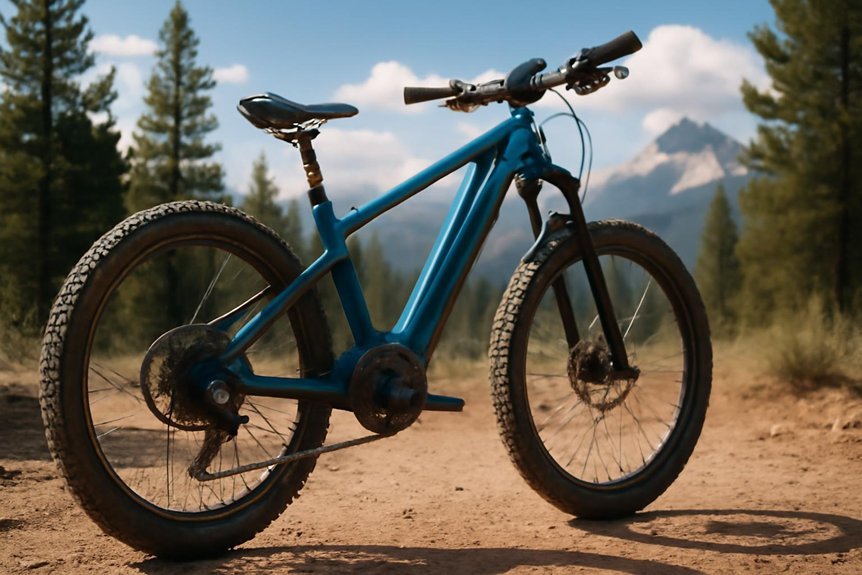
Choosing an electric mountain bike can feel like stepping into a thrilling adventure, but don’t worry, it’s easier than it sounds! Picture this: you’re standing in a bustling bike shop, surrounded by gleaming models, each promising a different ride. Your mind races as you think about the power of the motor—imagine zooming up steep hills with ease! Then there’s the battery life; you don’t want to be halfway through a beautiful trail and suddenly find yourself pedaling without assistance, right?
And what about the frame? You might remember that time you borrowed a friend’s bike—a lightweight frame made it so easy to maneuver through tight turns. Then there’s the wheel size; larger wheels might roll over rocky paths more smoothly, while smaller wheels can handle those twisty trails you love. Each choice you make can change your riding experience, just like picking the right shoes can make or break a hike.
So, what’s the first step in finding the perfect bike for your next outdoor journey? Take a moment to reflect on the trails you love and the adventures you dream of having. Let’s dive in and discover the bike that’s just right for you!
Understanding Motor Power and Torque
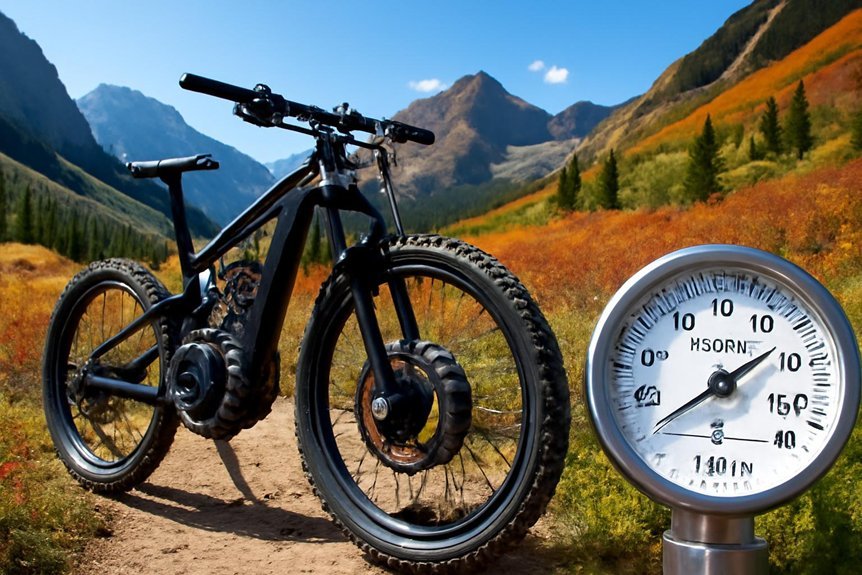
When you’re diving into the world of electric mountain bikes, understanding motor power and torque is like revealing a secret level in your favorite video game.
Motor power, measured in watts, tells you how strong the motor is. Higher wattage means more power to tackle steep hills and rough terrain.
Torque, measured in Newton-meters, indicates how quickly you can accelerate. Think of torque as your bike’s ability to sprint ahead when you push the pedals.
If you want thrilling rides through tough trails, look for bikes with both high power and torque. They’ll give you the boost you need, so you can conquer those challenging paths with ease.
Plus, you’ll feel like a superhero zipping through the hills!
Evaluating Battery Capacity and Life
Have you ever wondered how long you can ride your electric mountain bike before needing a recharge?
Battery capacity is key to answering that question. Measured in watt-hours (Wh), a higher number means more energy, so you can ride longer.
Think about your riding style, too. If you tackle steep hills or rough terrain, you’ll drain the battery faster.
Most e-bikes offer a range of 20 to 60 miles on a single charge, depending on the battery size and your effort.
Make sure to check the battery life as well; many batteries last about 500 to 1,000 cycles.
Choosing the Right Frame Material
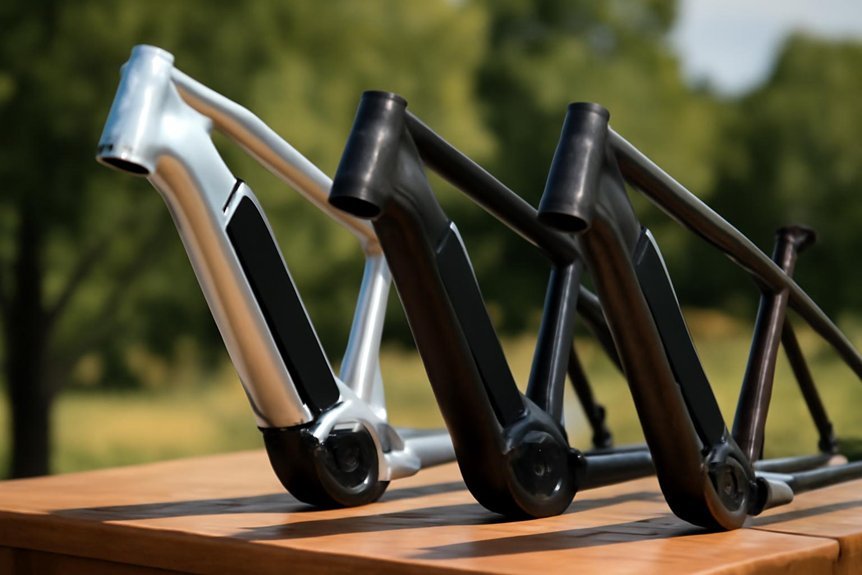
After you’ve settled on a battery that keeps you going on those epic rides, it’s time to think about the frame material of your electric mountain bike.
The frame is like the heart of your bike, and you want it strong yet lightweight. Aluminum is a popular choice because it’s durable and won’t weigh you down. If you prefer something even lighter, carbon fiber’s your best bet, but it can be pricier.
Steel frames are tough and can absorb bumps nicely, but they add some weight. Consider how you’ll ride—if you’re tackling rocky trails or just cruising around town, your choice matters.
Ultimately, pick a frame that fits your style and makes you excited to ride!
Importance of Suspension Types
While you might think that any electric mountain bike can handle bumps and jumps, the truth is that the type of suspension you choose can make a huge difference in your ride.
There are mainly two types: hardtail and full-suspension. A hardtail bike has a front suspension, which is great for smoother trails and saves weight.
On the other hand, full-suspension bikes have both front and rear shocks, making them perfect for rough terrains and bigger obstacles. This means you’ll feel less impact and enjoy a smoother ride, even when the trail gets bumpy.
Wheel Size and Its Impact on Performance
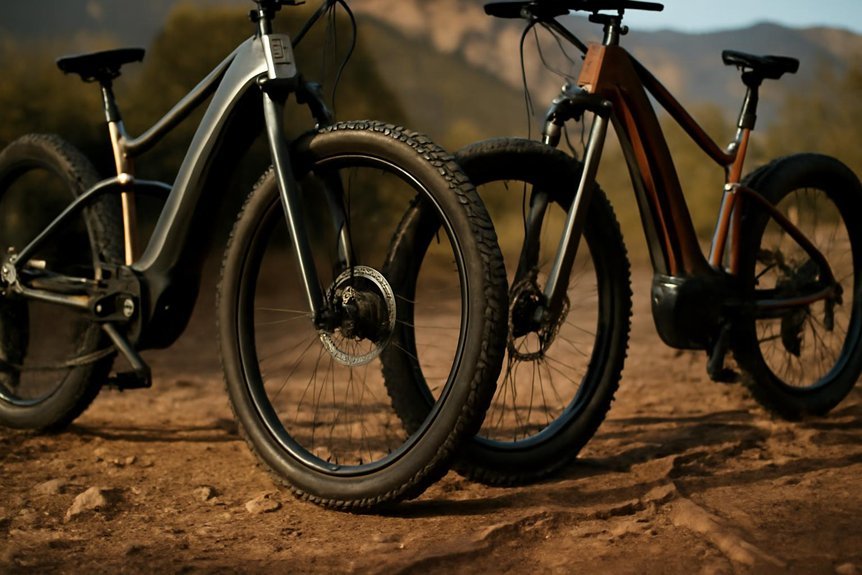
When you’re out on the trails, the size of your bike’s wheels can really change how you ride.
Larger wheels, like 29-inch ones, roll over obstacles more smoothly, giving you a more stable ride. They’re great for tackling bumpy terrain, but they can feel a bit slower when you’re trying to accelerate.
On the other hand, smaller wheels, like 27.5-inch or 26-inch ones, offer quicker handling, making sharp turns easier. They’re perfect for tighter trails where agility is key.
So, think about where you’ll ride most often. Do you want to cruise over rocks or zip around corners?
Choosing the right wheel size can make your mountain biking experience way more enjoyable. Happy riding!
Assessing Braking Systems
Choosing the right braking system for your electric mountain bike is essential, especially if you want to ride confidently on rough trails.
You’ll typically see two main types: disc brakes and rim brakes. Disc brakes offer better stopping power in muddy or wet conditions, which is a huge plus for off-road adventures. They’re also less prone to wear and tear, so you won’t have to stress about frequent replacements.
On the other hand, rim brakes can be lighter and more straightforward to maintain. Think about where you’ll ride most often; if you’re hitting steep slopes or challenging paths, disc brakes might be your best bet.
Considering Weight and Portability
If you’re planning to take your electric mountain bike on some wild adventures, weight and portability are key factors to contemplate. A lighter bike makes it easier to carry, especially if you’re tackling steep trails or loading it onto a rack.
Look for models that weigh around 40-60 pounds; this range balances sturdiness and ease of handling. Also, consider how easy it’s to fold or disassemble your bike for transportation.
If you love road trips or public transportation, portability’s a game changer! Don’t forget to check the battery placement; it can affect the bike’s overall weight.
Choosing the right electric mountain bike means finding the perfect combo of fun and practicality for your adventures!
Analyzing Geometry for Comfort and Control
To get the most out of your electric mountain bike, understanding its geometry is essential for comfort and control.
Bike geometry refers to the angles and lengths of various parts, like the frame and handlebars. A relaxed geometry means a more upright position, which can be great for comfort on longer rides. If you’re aiming for speed and agility, a more aggressive geometry might suit you better.
Think about your riding style, too—do you prefer cruising or tackling tough trails? Also, pay attention to the reach and stack measurements; they affect how you fit on the bike.
Finding the right balance will help you ride confidently, enjoy the trails, and maybe even impress your friends with your skills!
Exploring Drive Systems: Hub vs. Mid-Drive
Have you ever wondered what makes an electric mountain bike really zoom up those steep hills? It all comes down to the drive system.
There are two main types: hub drive and mid-drive. Hub drives are located in the wheel, giving you a smooth ride and requiring less maintenance. They’re great for casual riders who enjoy a little extra boost.
On the other hand, mid-drive systems sit near the bike’s pedals, offering better weight distribution and more power for climbing. This means you’ll tackle steep trails with ease!
If you love adventure and tackling tough terrains, a mid-drive might be your best bet. So, think about your riding style and choose the drive system that matches your mountain biking dreams!
Reviewing Tire Options for Different Terrains
Choosing the right tires for your electric mountain bike can make all the difference when you hit the trails.
If you’re tackling rocky paths, opt for wider tires with deeper treads. They grip well and help you dodge those pesky bumps.
For smoother, packed trails, narrower tires can give you that speed boost you crave.
If mud is your arch-nemesis, go for tires with a knobby design. They’ll help you stay upright and avoid slipping.
Don’t forget about tire pressure; it can greatly affect your ride. Lower pressure provides better traction, while higher pressure improves speed.
So, think about the terrains you’ll ride most often, and pick tires that suit your adventure.
Happy riding!
Accessories and Add-ons for Enhanced Riding
When you’re gearing up for an epic ride on your electric mountain bike, adding the right accessories can really elevate your experience.
First off, consider a sturdy helmet; safety should always come first! A good pair of gloves will protect your hands and improve grip.
You might also want a hydration pack to keep you refreshed on those long trails. Don’t forget a bike repair kit, just in case you run into any hiccups along the way.
Lights are essential for evening rides, keeping you visible and safe.
Finally, think about a smartphone holder for navigation or music.
With these accessories, you’ll not only ride safer but also enjoy every moment on the trail. Happy riding!
Setting a Budget and Finding the Best Value
Before diving headfirst into the world of electric mountain bikes, it’s smart to set a budget that works for you. Think about how much you’re willing to spend, and stick to it. Prices can range widely, from a few hundred to several thousand dollars!
Once you know your budget, research models that fit within that range. Don’t forget to take into account the long-term value, like battery life and durability. Sometimes spending a little more means extra features that’ll save you money down the road.
Check out reviews and compare prices at different retailers, so you get the best deal. Remember, it’s not just about finding a bike; it’s about finding the right bike for your wallet!
FAQ
How Do I Ensure Proper Sizing for My Electric Mountain Bike?
FAQs on Ensuring Proper Sizing for Your Electric Mountain Bike
1. How do I check for frame clearance on an electric mountain bike?
Stand over the frame with your feet flat on the ground. Ensure there is at least 1-2 inches of clearance between your body and the top tube.
2. What is the correct seat height for my electric mountain bike?
Adjust the seat height so that you can comfortably touch the ground with your toes while seated. This allows for better control and stability.
3. Why is it important to test ride different sizes?
Test riding various sizes helps you determine which bike feels most comfortable and allows for the best handling. Each rider’s preferences and body dimensions can significantly affect fit.
4. What should I consider when choosing the right frame size?
Consider your height, leg length, and riding style. These factors will influence whether you need a smaller or larger frame for optimal performance.
5. How can I ensure my handlebars are at the right height?
Adjust the handlebars to a height that feels comfortable when you are seated. Your elbows should have a slight bend when your hands are on the grips.
6. What role does my riding style play in bike sizing?
Your riding style determines your preferred position on the bike. Aggressive riders may prefer a smaller frame for better maneuverability, while more relaxed riders might opt for a larger frame for comfort.
7. Is it necessary to wear biking shoes during sizing?
Yes, wearing the shoes you plan to use can affect how you gauge fit and comfort. It helps ensure that your foot positioning aligns with the pedal height.
8. How do I know if a bike is too big for me?
If you find it hard to reach the handlebars or feel unstable, the bike may be too big. You should also feel stretched out when riding, which indicates improper sizing.
9. How can I tell if a bike is too small?
If your knees hit the handlebars or if you feel cramped while riding, the bike is likely too small. A small frame can also lead to discomfort during longer rides.
10. What should I do if I’m between two sizes?
If you’re between sizes, consider your riding preferences. Opt for the larger size if you prioritize comfort, or choose the smaller size for more agility and responsiveness.
11. Can I make adjustments after purchasing my electric mountain bike?
Yes, many components like the seat and handlebars can be adjusted or replaced. However, ensuring the right frame size from the start is crucial for optimal performance and comfort.
What Type of Riding Style Suits an Electric Mountain Bike?
FAQs about Riding Styles for Electric Mountain Bikes
1. What riding styles can I use with an electric mountain bike?
Electric mountain bikes are suitable for various styles, including trail riding, cross-country, and downhill.
2. Can electric mountain bikes handle steep climbs?
Yes, electric mountain bikes are designed to assist riders on steep climbs, making challenging terrain more accessible.
3. Are electric mountain bikes good for technical trails?
Absolutely! Their versatility allows riders to navigate technical terrain with ease, enhancing the overall experience.
4. Is trail riding suitable for electric mountain bikes?
Yes, electric mountain bikes excel in trail riding, providing both power and control on diverse trail conditions.
5. How do electric mountain bikes perform in cross-country riding?
They offer the ideal blend of speed and endurance, making them great for cross-country adventures where efficiency is key.
6. Are electric mountain bikes appropriate for downhill riding?
Certainly! They provide added power for descending steep trails, allowing for a more exhilarating downhill experience.
7. Can I use an electric mountain bike for casual rides?
Yes, they are versatile enough for casual rides, offering comfort and support without the need for extreme terrain.
8. Do electric mountain bikes enhance the riding experience?
Yes, the added power and efficiency of electric mountain bikes can significantly enhance your mountain biking experience.
9. Is it easy to switch between different riding styles on an electric mountain bike?
Yes, electric mountain bikes are designed to adapt to various riding styles, making transitions seamless for riders.
10. What should I consider when choosing an electric mountain bike for a specific riding style?
Consider factors like motor power, battery life, and suspension type, which can influence performance across different riding styles.
Are Electric Mountain Bikes Suitable for Beginners?
1. Are electric mountain bikes good for beginners?
Yes, electric mountain bikes are suitable for beginners as they offer additional power to help navigate challenging terrains.
2. How do electric mountain bikes help beginners?
They provide extra assistance, making it easier for new riders to tackle hills and rough trails without feeling overwhelmed.
3. Will I gain confidence riding an electric mountain bike?
Absolutely! The added power allows beginners to build their skills gradually, leading to increased confidence on the trails.
4. Can I enjoy longer rides on an electric mountain bike?
Yes, the electric assistance enables beginners to ride for longer distances without quickly tiring out.
5. Do I need prior biking experience to ride an electric mountain bike?
No prior experience is necessary; electric mountain bikes are designed to be user-friendly for riders of all skill levels.
6. What skills can I develop by riding an electric mountain bike?
Beginners can improve their balance, handling, and overall biking techniques while enjoying the support of electric assistance.
7. Are electric mountain bikes heavy for beginners to handle?
While they can be heavier than traditional bikes, the electric motor helps in maneuvering and controlling the bike, making it easier for beginners.
8. Is maintenance difficult for electric mountain bikes?
Maintenance can be similar to traditional bikes, but beginners should familiarize themselves with the electrical components and battery care.
9. Can I ride electric mountain bikes on various terrains?
Yes, electric mountain bikes are designed for diverse terrains, allowing beginners to explore trails, hills, and rugged paths.
10. What should beginners consider when purchasing an electric mountain bike?
Beginners should consider factors like battery life, weight, and the type of terrain they plan to ride on to find the best fit for their needs.
How Do I Maintain My Electric Mountain Bike?
1. How often should I check the tire pressure on my electric mountain bike?
It’s advisable to check the tire pressure before each ride. Proper tire pressure ensures optimal performance and safety on the trails.
2. What is the best way to clean the chain of my electric mountain bike?
Use a degreaser specifically designed for bike chains and a brush to remove dirt and grime. After cleaning, rinse and dry the chain thoroughly before applying lubricant.
3. How can I inspect the brakes on my electric mountain bike?
Check the brake pads for wear and ensure they engage properly when squeezed. Look for any leaks in hydraulic brakes and make sure the cables are intact and functional.
4. How often should I charge my electric mountain bike’s battery?
Charge your battery after every ride to maintain its health, even if you haven’t fully depleted it. This helps prolong its lifespan and ensures you have a ready power source for your next adventure.
5. What parts of the bike should I lubricate?
Focus on lubricating the chain, derailleur pivots, and any other moving parts that experience friction. Be careful not to over-lubricate, as excess can attract dirt.
6. Is there a specific way to store my electric mountain bike?
Store your bike in a dry, cool place away from direct sunlight. This helps preserve the battery and prevents rust or damage to components.
7. How do I know if my battery needs maintenance?
Monitor the battery’s performance and range during rides. If you notice a significant decrease in power or a shorter range, it may be time for maintenance or replacement.
8. What should I do if my brakes feel spongy?
A spongy brake feel often indicates air in the brake lines or worn brake pads. Bleeding the brakes or replacing the pads may be necessary to restore proper function.
9. Can I wash my electric mountain bike with water?
Yes, but avoid using a high-pressure hose as it can damage electrical components. Instead, use a gentle spray and cloth to clean the frame and components.
10. How can I prevent rust on my electric mountain bike?
Keep your bike clean and dry, especially after riding in wet conditions. Regularly inspect and lubricate metal parts to create a protective barrier against moisture.
Can I Ride an Electric Mountain Bike in the Rain?
1. Can I ride an electric mountain bike in the rain?
Yes, you can ride an electric mountain bike in the rain, but it requires caution.
2. What should I check before riding in the rain?
Ensure that all components of your bike, especially the electrical systems, are waterproof.
3. Is it safe to ride through puddles?
Avoid deep puddles while riding to protect the battery and electrical systems from potential damage.
4. Will rain affect the bike’s performance?
Rain can create slippery conditions that may affect traction, so ride carefully.
5. How does moisture affect the battery?
Excessive moisture can damage the battery if it seeps into the housing, so be mindful of water exposure.
6. What maintenance should I do after riding in the rain?
After riding in wet conditions, clean and dry your bike to prevent rust and corrosion on components.
7. Are there specific tires for wet conditions?
Consider using tires designed for wet traction to improve grip and control when riding in the rain.
8. How can I enhance visibility while riding in the rain?
Wear bright or reflective clothing and use lights to increase your visibility to others on the road.
9. Is it advisable to ride in heavy rain?
Riding in heavy rain is generally not advisable due to decreased visibility and increased risk of slipping.
10. What are the signs of water damage to watch for?
Watch for signs such as decreased performance, erratic electrical behavior, or corrosion, which may indicate water damage.
Final Thoughts
So, when you’re ready to choose your electric mountain bike, remember to think about all the important factors. Check the motor power, battery life, frame material, and suspension type to find the perfect fit for your adventures. Don’t forget about wheel size and tire options, too! And of course, set a budget to get the best bang for your buck. With a little research and some excitement, you’ll be zooming down those trails in no time!